Your refrigerator is the hardest-working appliance in your home, running 24 hours a day, 7 days a week. While modern refrigerators are built for durability, neglecting routine upkeep, regular check-ups, and routine inspections can lead to sudden component failures, food spoilage, and high electricity bills.
Implementing a simple, proactive maintenance routine aligned with manufacturer guidelines extends the lifespan of your appliance, maximizes energy efficiency, and prevents expensive emergency repair calls.
Why Preventive Refrigerator Maintenance Matters
Taking time for basic appliance care delivers immediate financial and operational benefits for your household:
- Preventing High-Cost Repairs: Catching worn door gaskets or dusty coils early prevents major mechanical breakdowns like motor burnout or compressor failure.
- Lowering Monthly Energy Bills: When internal components are clean and clear, the compressor works less, using significantly less electricity.
- Extending Appliance Lifespan: Regular check-ups help your unit reach or exceed its expected 10 to 15-year service life.
- Ensuring Food Safety: Stable internal temperatures keep bacteria from growing, preserving your groceries and preventing premature spoilage.
1. Clean Condenser and Evaporator Coils
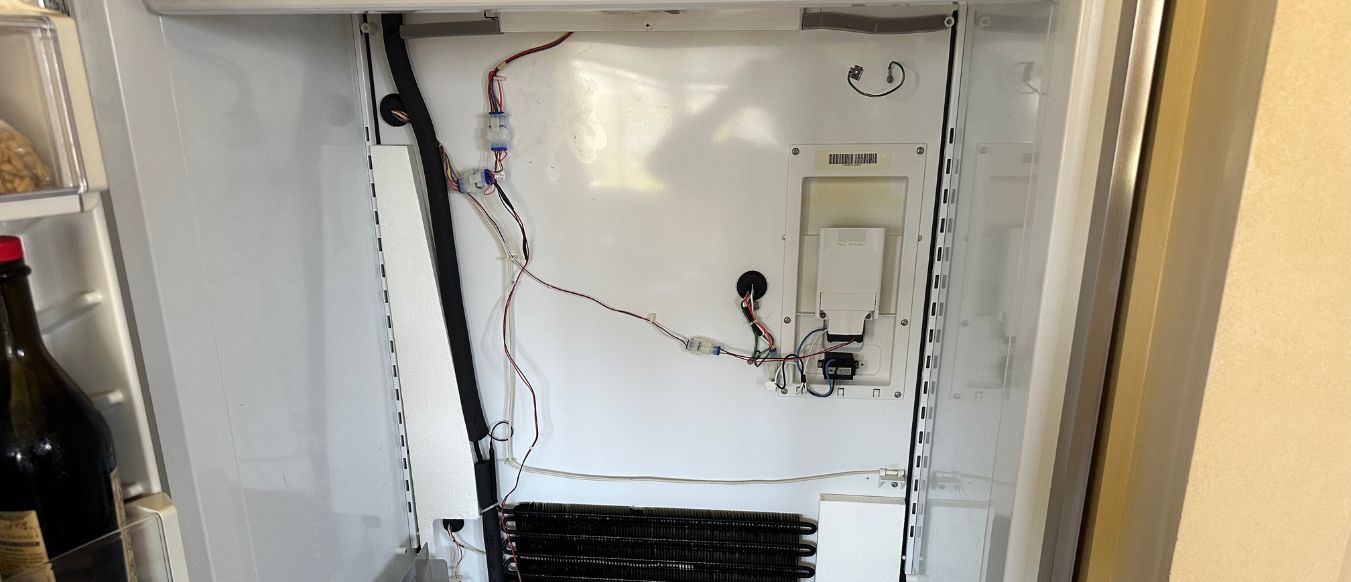
Condenser coils release heat from inside the cabinet into the surrounding room. When covered in dust, pet hair, and kitchen grease, heat gets trapped, forcing the compressor to run constantly.
- Condenser Coils: Clean the rear or bottom coils at least twice a year using a specialized coil brush or a narrow vacuum attachment.
- Evaporator Coils: Keep frost from building up on evaporator coils to ensure proper heat exchange and prevent cooling failures.
- Safety First: Always disconnect power to the appliance before cleaning electrical components or pulling the fridge away from the wall.
Pro Tip: Homes with shedding pets or carpeted floors near the kitchen should inspect and vacuum condenser coils every 3 to 4 months.
2. Inspect Fan Blades and Internal Vents
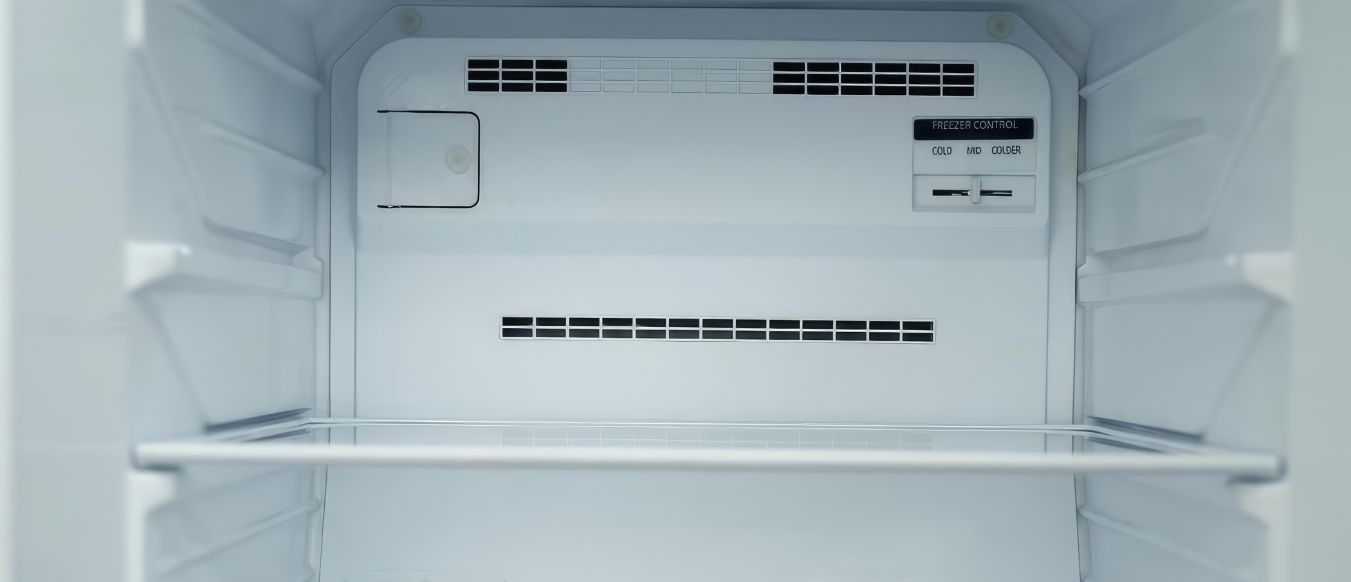
Proper cold air circulation relies on unobstructed airflow across motor fan blades and interior vents.
- Clean Fan Blades: Inspect the condenser fan and evaporator fan blades for dust buildup or physical obstructions that can cause motor overheating.
- Clear Circulation Vents: Avoid packing food items directly in front of cold air supply vents inside the fresh food or freezer sections.
- Check Ice Maker Vents: Keep ice machine passageways free of frost buildup and debris to ensure smooth ice production and prevent mechanical jams.
3. Monitor Temperature Settings & Humidity Control
Inaccurate internal temperatures put both your food safety and your energy bill at risk.
- Target Temperatures: Set your fresh food compartment between 37°F and 40°F and your freezer section to 0°F.
- Watch for Overheating: If the exterior sides or center cabinet divider feel hot to the touch, your unit is struggling with heat dissipation or restricted airflow.
- Identify Cold Spots: Uneven cooling across shelves typically points to blocked vents or a failing evaporator fan motor.
Energy Efficiency Note: Keeping your fridge colder than recommended baseline settings won’t preserve food longer, but it will increase overall power consumption by up to 25%.
4. Practice Safe Defrosting & Frost Management
Excessive ice accumulation insulates evaporator coils, restricting airflow and causing erratic cabinet temperatures.
- Defrost Regularity: If you have a manual-defrost unit, initiate a defrost cycle whenever frost buildup exceeds a quarter-inch.
- Safe Removal: Turn the unit off, open doors, and let frost melt naturally onto towel-lined floors. Never use sharp knives, screwdrivers, or ice picks to chip away frost, as puncturing an evaporator line ruins the refrigerant system.
- Clear Drains: Ensure the defrost drain tube at the bottom rear is free from ice or algae blockages to prevent water pooling under crisper drawers.
5. Maintain Food-Safe Interior Hygiene
A clean refrigerator interior protects health, eliminates odors, and keeps air passages clear.
- Use Food-Safe Cleaners: Wash interior walls, drawers, and glass shelves with mild soap and warm water, or a mix of baking soda and water. Avoid harsh chemical cleaners that leave toxic residues.
- Inspect Door Seals: Wipe rubber door gaskets with warm water to remove sticky spills that tear the seal. Test the seal tightness using a dollar bill; if it pulls out without resistance, replace the gasket.
- Store Items Properly: Use airtight containers to keep food fresh and prevent liquid spills from dripping onto temperature sensors or air vents.
6. Check Ventilation, Clearances, and Compressor Performance
Where your refrigerator stands in the kitchen directly influences its cooling efficiency and motor health.
- Maintain Wall Clearance: Leave a minimum of 2 inches of space between the back wall and the refrigerator cabinet to allow heat to vent freely.
- Inspect the Compressor: Listen for unusual clicking noises, heavy rattling, or intense vibration during startup, which indicate worn motor mounts or electrical control board failure.
- Check Refrigerant Levels: Consistent running without adequate cooling suggests low refrigerant or a leak in the sealed system, requiring professional technician service.
Preventative Refrigerator Maintenance Checklist
| Task | Frequency | Benefit |
|---|---|---|
| Clean Door Gaskets | Monthly | Prevents air leaks and stops motor overwork |
| Monitor Compartment Temps | Monthly | Guarantees food safety and prevents spoilage |
| Clean Condenser Coils | Every 6 Months | Ensures optimal heat release and lowers power draw |
| Inspect Fans & Clear Vents | Every 6 Months | Maintains uniform air circulation throughout shelves |
| Defrost Manual Freezers | As Needed | Eliminates ice blockages and restores cooling capacity |
| Professional Inspection | Annually | Checks refrigerant, compressor circuits, and wiring |
The Advantages of Professional Servicing
While DIY routine upkeep handles day-to-day cleanliness, scheduling periodic professional servicing offers a deeper layer of protection for your appliance investment. Certified technicians bring specialized diagnostic tools to evaluate hidden mechanical components that are inaccessible to the average homeowner.
- Comprehensive Component Checks: Technicians inspect electronic control boards, test defrost heater elements, evaluate capacitor performance, and measure compressor startup amp draw.
- Advanced Sealed System Diagnostics: Professionals test sealed system pressures to detect microscopic refrigerant leaks before complete cooling failure occurs.
- Long-Term Cost Protection: Catching a failing relay switch or a weak fan motor during a routine check-up costs a fraction of what you would spend replacing a burnt-out compressor or tossing a fridge full of spoiled groceries.
Protecting Your Kitchen Investment
Taking a few proactive steps to maintain your refrigerator saves money, improves kitchen energy efficiency, and prevents sudden cooling emergencies. From simple monthly seal inspections to twice-yearly coil cleanings, consistency is key to extending your appliance’s operational life. However, when routine maintenance uncovers deeper mechanical issues, such as persistent temperature swings, sealed system leaks, or electrical failures, partnering with a trusted local professional ensures your kitchen keeps running smoothly.
Need Professional Refrigerator Repair in Berkeley?
Don’t wait for a complete cooling breakdown! Zuta Appliance Repair provides fast, eco-friendly, and expert service for all major refrigerator brands across Berkeley and the Bay Area.
Call Today: (415) 592-4633 | Book Online: zutaappliance.com
Frequently Asked Questions
It is recommended to clean the condenser coils at least twice a year. However, if you have pets or live in a dusty environment, clean them every 3–4 months to ensure optimal performance.
Yes, regular temperature checks ensure food safety and energy efficiency. Keep the fridge compartment between 37–40°F (3–4°C) and the freezer at 0°F (-18°C).
Turn off the unit, remove food items, and place towels to catch melting water. Leave the door open so ice melts naturally. Never chip away ice with sharp tools.
Unobstructed airflow guarantees even cooling across all compartments. Blocked vents or dirty fan blades cause uneven cooling, frost buildup, and compressor strain.
Periodic compressor checks help identify refrigerant leaks, excessive vibration, or unusual noises early, avoiding sudden breakdowns and major repair costs.