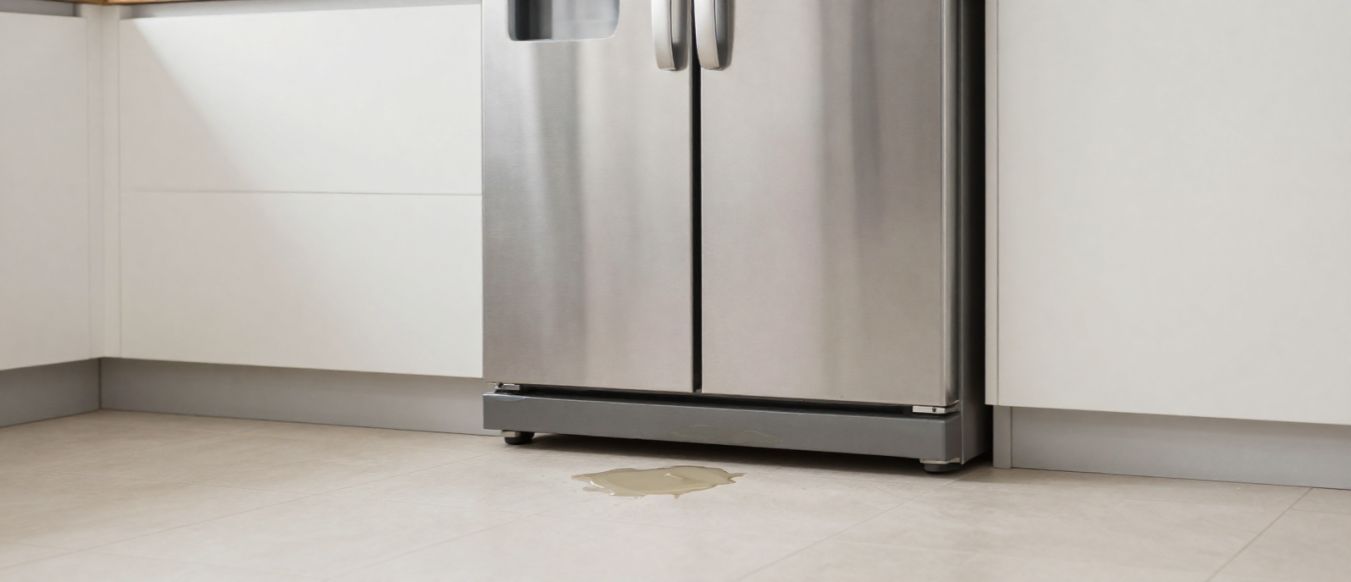
Water leaks from a refrigerator almost always come from one of two systems. The first is the defrost drain, which handles melted ice. The second is the water line that feeds the ice maker and dispenser. Knowing which system is causing the leak saves time and effort, and trying to fix things without identifying the root cause often leads to confusion.
Here are the common reasons why a refrigerator leaks water, the signs that point to each issue, and what usually fixes them.
Why Is My Refrigerator Leaking Water?
Most refrigerators have a built-in defrost cycle. This cycle melts frost that builds up inside the freezer. The melted water should flow down a drain tube and land in a pan beneath the unit. There it evaporates without any trouble. If that path gets blocked, the water can’t go anywhere else but your kitchen floor.
The other major source of leaks is the water line connected to the ice maker and dispenser. If this line cracks, loosens, or freezes, water starts leaking behind or under the fridge. Sometimes you won’t notice it right away because the leak can be slow. Recognizing which system is at fault helps you avoid guessing at repairs.
Below are the common causes of refrigerator water leaks:
- Clogged or frozen defrost drain
- Damaged or loose water supply line
- Faulty water inlet valve
- Cracked or misaligned drain pan
- Old or clogged water filter
- Ice maker connection problems
- Worn door seal or gasket
- Fridge not sitting level
- Overpacked shelves blocking air vents
Clogged Defrost Drain: The Most Common Cause
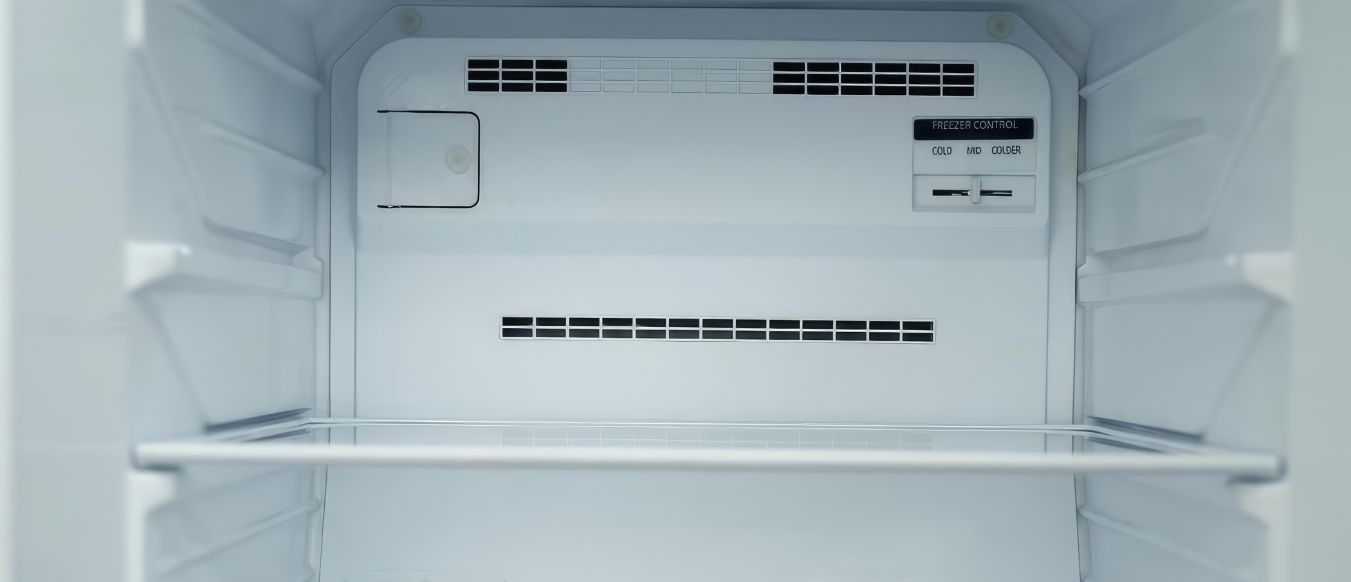
This is the number one reason for leaks, especially in older fridges. Over time, food crumbs and sticky spills get into the drain hole at the back of the freezer. The hole narrows bit by bit until it’s eventually blocked completely. After that, the defrost water backs up, freezes, then melts again, dripping onto the floor or pooling inside the fridge.
One sign is water under the crisper drawers. You might also see ice forming at the bottom of the freezer wall. A turkey baster with warm water can clear a mild blockage, and so can a straightened wire coat hanger. If the problem keeps coming back even after repeated cleaning, the issue could be the drain heater, the part that keeps the tube from refreezing. That repair is best left to a professional.
Quick Tip: Pour water, never boiling, slowly into the drain hole. If the water flows through easily, the clog is gone. If it backs up immediately, you'll need a flexible tool or a deeper clean.
Water Supply Line Issues
The plastic tube that connects to your ice maker and dispenser is thin and fragile, and it takes a lot of wear over time. Here are the usual problems:
- The line gets pinched when the fridge is pushed close to the wall
- The plastic cracks as it ages or after one too many cold winters
- Connections at the valve become loose or corroded
- The line freezes solid in cold environments like garages or basements
Pull the fridge out and follow the wet trail. Where the water stops on the tubing is usually where the problem is. Good news: replacing a cracked water line is usually cheap and easy.
Water Inlet Valve and Filter Problems
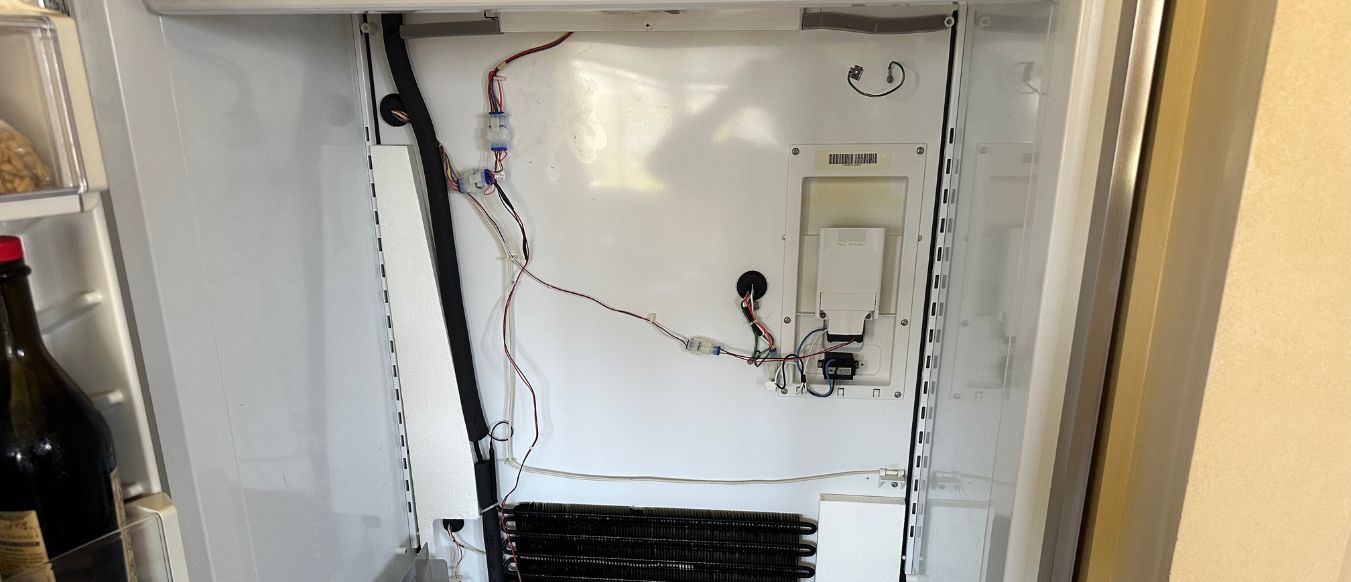
The water inlet valve controls how much water goes into the ice maker and dispenser. If it develops a crack or doesn’t shut all the way, water slowly leaks out. This often shows up as a puddle near the back of the fridge, where people rarely check. On most models, this valve sits behind a rear panel near the bottom. A bad valve can confuse homeowners because everything else about the fridge still seems to work fine.
An old or dirty filter causes a similar issue. Pressure builds up behind the clog, and it eventually forces water out through the housing or the connections. Most filters last three to six months, so replacing them on schedule usually keeps this kind of leak from happening at all.
Quick Tip: If you see a slow drip where the filter sits, take it out and put it back in firmly until it clicks. A filter that isn't locked in place is a simple problem to fix.
Ice Maker and Drain Pan Trouble
Problems can also come from the ice maker or the drain pan. A few things to check:
- The fill tube freezes up or leaks at the connection point
- The drain pan cracks or isn’t seated properly
- The pan is too small to hold all the defrost water
- The pan shifts or moves during cleaning
Checking the drain pan takes only two minutes. Slide it out, look for cracks or warping, and make sure it sits flat and level when you slide it back in.
Door Seals, Leveling, and Overloading
A refrigerator that isn’t level can leak even if every internal part works perfectly. If it leans to one side, condensation and defrost water flow toward the front instead of the back and miss the drain pan, ending up on your floor instead. Most fridges have adjustable feet at the front corners for this reason, and a quick test with a spirit level catches the problem fast.
Door seals matter just as much. A torn or loose gasket lets warm air sneak in, and that extra air creates more condensation than the system was designed to handle. Packed shelves cause a similar problem by blocking the air vents, which makes the fridge work harder and produce more moisture than it should. Both are easy to check, and checking them beats guessing at a leak with no obvious source.
| Cause | Common Sign | Quick Fix |
|---|---|---|
| Clogged defrost drain | Water under crisper drawers, ice buildup in freezer | Flush the drain with warm water |
| Damaged water line | Puddle behind or under the fridge | Check for cracks, tighten connections |
| Faulty inlet valve | Slow leak near the back panel | Inspect and replace the valve |
| Old water filter | Dripping near the filter housing | Replace the filter, reseat it firmly |
| Unlevel fridge | Water pooling near the front | Adjust the front leveling feet |
| Worn door seal | Extra frost or condensation buildup | Clean or replace the gasket |
When to Call a Professional
Some leaks you can fix yourself in an afternoon. Others mean a part has failed, and cleaning won’t help. Call a technician if:
- The leak returns within a day or two of clearing it
- You can’t figure out where the leak is coming from
- The compressor area feels warm or makes strange noises
- You’ve checked the drain, filter, and leveling and nothing changed
- The inlet valve or drain heater needs replacement
If you’ve gone through all these steps and the water is still there, that usually means something inside needs to be replaced, not cleaned. A proper refrigerator repair visit can find the exact problem instead of you guessing for weeks.
Preventing Future Leaks
Many leaks can be avoided with regular maintenance. A few things worth doing:
- Clean the drain hole every few months, especially before summer
- Replace the water filter according to your model’s recommended schedule
- Check that the fridge is level after moving or deep cleaning
- Wipe down door gaskets regularly so dust and crumbs don’t stop them sealing
- Avoid packing shelves too full, especially near the back air vents
- Check the drain pan every time you mop under the fridge
Most of these tasks take five minutes or less and save you from a much bigger mess later. Our refrigerator maintenance guide covers this in more detail, and regular preventative maintenance checks catch a narrowing drain or a worn seal long before it turns into a flooded kitchen floor.
Stop Chasing the Puddle: Give Your Fridge the Fix It Actually Needs
Most refrigerator leaks come from a common set of sources: a clogged drain, an aging water line, a worn seal, or a fridge that isn’t level. Work through them in order, starting with the drain since it’s the most common issue, and you’ll find the real cause faster than swapping parts at random. Once you know what’s wrong, most fixes are quick and don’t need any special tools.
If the leak keeps coming back or you’re not sure which part is failing, Zuta Appliance Repair has helped homes across Berkeley and the East Bay solve refrigerator problems for years. A message through our contact page gets a technician out to track down the actual cause and fix it properly, so you’re not patching the same spot every few weeks.
Got a fridge that won’t stop leaking? Call Zuta Appliance Repair. Our Berkeley based technicians will find the issue, explain it clearly, and fix it right, so you don’t have to mop the same puddle again next month.