
Maintaining your refrigerator is essential for every Berkeley homeowner looking to protect their home appliances. A well-maintained fridge runs efficiently, keeps food safe, extends the appliance’s lifespan, and saves you from costly refrigerator repair bills. Simple preventive habits like cleaning condenser coils, replacing worn door gaskets, and organizing contents for proper airflow can significantly lower your monthly energy consumption.
Follow these 10 practical appliance maintenance tips to keep your refrigerator running smoothly for years to come.
1. Inspect and Test Door Seals Regularly
A damaged or dirty door seal (gasket) lets cold air escape, forcing your compressor to run constantly and driving up electricity costs.
- The Dollar Bill Test: Insert a dollar bill halfway into the door, close it, and tug gently. If the bill slides out easily without resistance, your gasket is losing suction and you may need a refrigerator door seal replacement.
- Routine Cleaning: Wipe down the gasket with warm water and mild detergent to remove food debris and sticky residue that cause tears.
- Maintain Flexibility: Apply a thin layer of petroleum jelly along the rubber seal to keep it soft, pliable, and crack-free.
Pro Tip: If your refrigerator door fails to close automatically or seal tightly, check the leveling legs at the front base. Raising the front legs slightly allows gravity to pull the door shut under its own weight.
2. Keep Condenser Coils Clean
Located at the back or bottom rear grille of your refrigerator, condenser coils dissipate heat from inside the unit. When dust, pet hair, and debris accumulate on the coils, the refrigerator cannot release heat efficiently, leading to temperature spikes and compressor strain.
- Cleaning Frequency: Clean the coils at least twice a year using a specialized coil brush or a narrow vacuum cleaner attachment.
- Safety First: Always unplug the appliance before pulling it away from the wall to access and clean the rear assembly safely.
3. Set and Monitor Optimal Temperatures
Keeping your refrigerator at the correct temperature ensures food safety without wasting energy.
- Ideal Settings: Keep your fresh food compartment between 37°F and 40°F (3°C to 4°C) and your freezer set to 0°F (-18°C).
- Seasonal Adjustments: Monitor internal temperatures during hot summer months in the Bay Area when ambient kitchen heat forces the cooling system to work harder.
- Use an Appliance Thermometer: Standalone appliance thermometers provide an accurate reading to verify your built-in thermostat settings.
Energy Efficiency Note: Setting your fridge colder than necessary won’t keep food significantly fresher, but it will increase energy consumption by up to 25%. Stick to recommended baseline temperatures.
4. Maximize Airflow and Avoid Vent Blockage
Proper cold air circulation prevents warm spots and ice buildup inside the refrigerator cabinet.
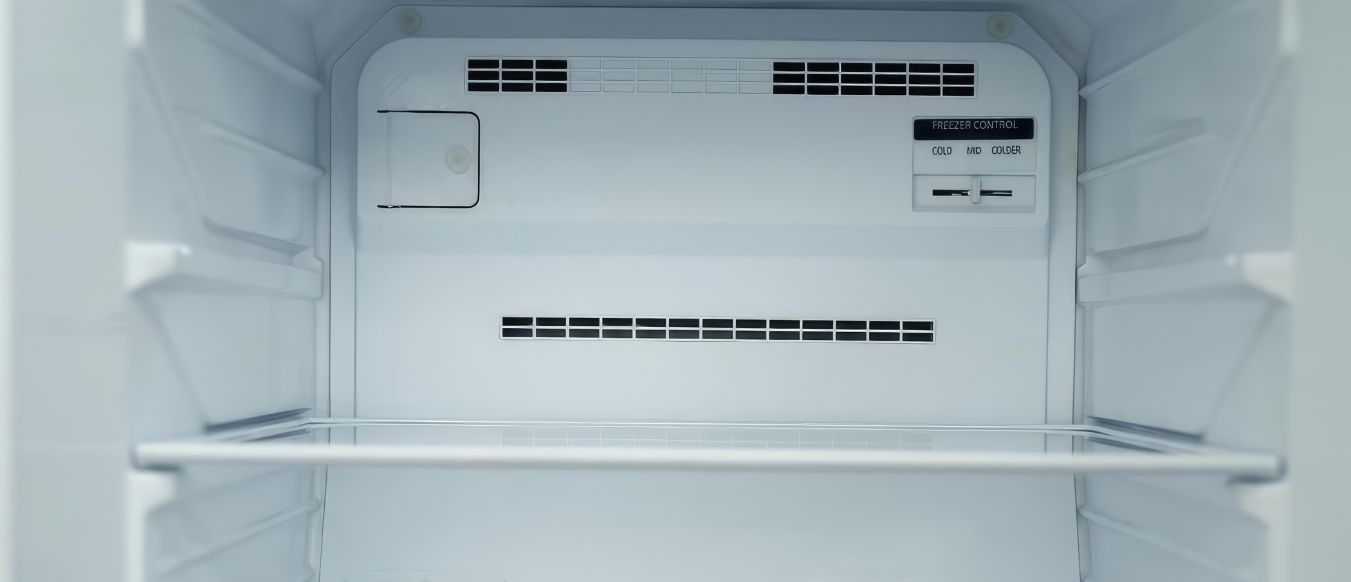
- Clear Interior Vents: Avoid stacking tall boxes or bags directly in front of air circulation vents inside the fresh food and freezer compartments.
- Avoid Overcrowding: While a full fridge retains cold air better than an empty one, overstuffing restricts airflow around food items, leading to uneven cooling.
5. Practice Smart Food Storage Habits
Organizing your refrigerator correctly improves overall cooling performance and prevents food spoilage.
- Airtight Containers: Store food in sealed containers to lock in moisture and prevent strong odors from spreading across shelves.
- Cover Everything: Uncovered liquid items release moisture into the air, causing the compressor and evaporator coils to work harder to eliminate humidity.
- Strategic Placement: Place highly perishable items, like dairy and raw meat, on lower shelves where temperatures remain coldest and most stable.
6. Maintain Proper Placement and Wall Clearance
Where and how your refrigerator stands in your kitchen directly impacts its cooling capabilities and operational lifespan.
- Wall Clearance: Leave at least 2 inches of space between the back of the refrigerator and surrounding walls to allow proper air circulation.
- Avoid Heat Sources: Keep your unit away from heat sources such as ovens, dishwashers, or direct sunlight from windows.
- Check Ventilation Space: Ensure rear and bottom ventilation grilles remain free of dust and household obstructions.
Safety Warning: Pushing a refrigerator flat against the back wall traps compressor heat, which can cause internal wiring to overheat, burn out fan motors, or destroy the compressor prematurely.
7. Defrost the Freezer and Manage Ice Accumulation
Excessive frost buildup reduces cooling capacity and restricts freezer storage space.
- Defrost Schedule: Defrost your manual freezer whenever ice accumulation exceeds a quarter-inch of thickness.
- Safe Ice Removal: Use warm water or a plastic scraper to clear frost buildup gently. Never use sharp metal tools, knives, or ice picks, which can puncture the evaporator coils and destroy the refrigerant system.
8. Prevent and Neutralize Interior Odors
Unpleasant odors often signal bacterial growth or hidden spills that can taint fresh foods and affect taste.
- Natural Odor Absorbers: Keep an open box of baking soda or an activated charcoal sachet on a middle shelf to absorb unwanted smells continuously.
- Interior Cleaning Routine: Wipe up spills, sticky jars, and condensation drips immediately using a damp cloth and mild soap or a vinegar and water solution.
- Exterior Wiping: Clean the exterior doors, handles, and stainless steel surfaces using a microfiber cloth and specialized stainless steel cleaner to remove fingerprints and smudges.
9. Understand Inverter Compressor Performance & Voltage Stability
Modern refrigerators often utilize variable-speed inverter compressors rather than traditional single-speed motors. Knowing how these components operate helps you recognize early signs of electronic wear and protect sensitive control boards.
- Variable-Speed Cooling: Unlike older models that click on and off at full power, inverter compressors adjust speed continuously to match cooling demands. Continuous humming at low speeds is normal and designed to lower energy draw.
- Power Surge Protection: Bay Area electrical grids occasionally experience power fluctuations during heavy heatwaves. Plugging your refrigerator into a dedicated appliance surge protector safeguards delicate main control boards and inverter drives from voltage spikes.
- Vibration Inspections: Excessive buzzing, loud clicking, or violent rattling when the compressor ramps up speed indicates worn motor mounts or a failing inverter board that requires professional service.
Technical Insight: Inverter compressors run cooler and last longer than standard compressors, but they rely heavily on steady electronic current. Protecting your home’s outlets prevents premature board failures.
10. Establish Routine Weekly and Monthly Inspections
Consistent care prevents minor mechanical issues from turning into expensive emergency repair calls.
- Weekly Checks: Listen for unusual vibrations, grinding noises, or clicking sounds from the motor, and check for water pooling under crisper drawers.
- Monthly Tasks: Wipe down interior and exterior surfaces, verify temperature stability, clean door gaskets, and inspect water supply lines for minor leaks.
- Annual Service: Schedule professional maintenance annually to inspect electronic control boards, defrost heaters, fan blades, and refrigerant levels.
When to Upgrade or Replace Key Components
Even well-maintained units eventually require part replacements as internal components age over time. Knowing when to swap out minor accessories versus investing in a full replacement keeps your appliance operating efficiently and protects your budget.
- Lighting Upgrades: Replace burnt-out interior light bulbs with energy-efficient LED appliance options that generate significantly less internal cabinet heat.
- Water Filter Replacement: Change built-in ice maker and water dispenser filters every 6 months to ensure clean drinking water and prevent mineral buildup that clogs water valves.
- The 50% Rule: If your unit is over 10 years old and a single repair quote exceeds half the cost of a brand-new appliance, upgrading to a modern ENERGY STAR certified unit offers superior long-term financial value.
Maintenance Milestone: Keep a dedicated maintenance log or set recurring calendar reminders for twice-yearly coil cleanings and annual professional inspections to maximize your refrigerator’s operational lifespan.
Refrigerator Care Summary Checklist
| Maintenance Task | Recommended Frequency | Primary Benefit |
|---|---|---|
| Door Seal Inspection | Monthly | Prevents cold air loss and reduces motor strain |
| Condenser Coil Cleaning | Every 6 Months | Improves heat dissipation and cooling performance |
| Temperature Verification | Monthly | Ensures food safety and lowers energy consumption |
| Vent Debris Clearing | Monthly | Promotes uniform air circulation across shelves |
| Defrosting Buildup | As Needed | Restores freezer capacity and operational efficiency |
Zuta Appliance Repair: Revitalizing Berkeley Kitchens
When routine maintenance uncovers mechanical failures, water leaks, or persistent cooling issues, Zuta Appliance Repair delivers premier service across Berkeley, CA, and surrounding areas. We specialize in diagnosing, repairing, and optimizing all major refrigerator brands to extend their operational lifespan and protect your home investment.
Keep your kitchen running efficiently without unnecessary downtime. Call Zuta Appliance Repair today at (415) 592-4633 or book your service appointment online at zutaappliance.com.


2 Responses