Water quality can make or break your icemaker’s performance. The difference between crystal-clear ice cubes and cloudy, slow-to-freeze ones lies in the quality of the water you use. Poor water quality, the potential damage from water impurities, and microbial contamination can lead to clogged filters, scale buildup, and decreased efficiency in the voice marker. On the other hand, high-quality water ensures optimal functionality, producing ice that is not only clear but also tastes better. By understanding how water quality affects your icemaker, you can take proactive steps to maintain peak performance and extend its lifespan. Stay tuned to discover practical tips for improving your icemaker’s efficiency through better water quality management.
Understanding Water Quality
Mineral Content In Water
Hard water contains high levels of minerals like calcium and magnesium, while soft water has a lower mineral content. Hard water can cause clogging in icemakers, reducing ice production, and affecting performance. In contrast, soft water minimizes these issues but may lead to machine corrosion due to low mineral content.
- Hard Water: is water that carries a high amount of natural minerals like calcium and magnesium.
- Soft Water: is water that has been filtered down to have a very low amount of minerals.
- High Mineral Content: causes chalky buildup that plugs up water lines and slows down ice production.
- Low Mineral Content: means the water is so empty of minerals that it can actually eat away at the metal parts inside the machine over time.
Sediment And Impurities
Sediment buildup in water lines can impede flow, impacting energy efficiency in icemakers. Impurities such as dirt, sand, or rust can alter the taste and quality of produced ice. Regular checks for these contaminants and regional water quality variables are crucial to maintaining optimal performance.
- Sediment Accumulation: happens when dirt particles pile up inside the water lines and block the water from flowing freely.
- Impurities: are things like minerals or chemicals in the water that make your ice cubes taste bad and look dirty.
- Regular checks for dirt, sand, and rust: help you catch and clean out hidden grit before it can ruin the ice machine.
pH Levels Impact
Extreme pH levels in water can harm machine components over time, affecting icemaker efficiency. Highly acidic or alkaline water can disrupt ice production. Maintaining a balanced pH level and optimal water quality is essential for prolonged machine functionality.
- Extreme pH Levels: happen when water is too harsh on either end of the scale, which slowly destroys the plastic and metal parts inside the machine.
- Highly Acidic Or Alkaline Water: throws off the chemical balance of the water, making it much harder for the machine to freeze into ice properly.
- Balanced pH levels: keep the water completely neutral so the machine runs at peak performance without working too hard or wearing out early.
Microbial Contamination
Harmful microorganisms in ice machines pose health risks if not properly addressed. Regular cleaning routines are vital to prevent microbial growth and ensure safe ice consumption. Installing effective water filtration systems helps maintain water quality and reduces contamination risks.
- Health risks: come from dangerous bacteria or mold growing inside a dirty machine that can make people sick when they consume the ice.
- Regular cleaning: wipes out slime and germs before they have a chance to multiply and take over the ice bin.
- Proper water filtration systems: trap contaminants at the source so only pure water enters the machine in the first place.
Effects On Ice Quality
Taste And Appearance
Water quality significantly impacts the flavor and appearance of ice, affecting customer satisfaction in food establishments. Poor water quality can result in an unpleasant taste in ice, altering the overall beverage experience. Cloudy or discolored ice serves as visual cues indicating contaminants present in the water used for ice production. Customers often associate clear, tasteless ice with cleanliness and high-quality service, emphasizing the importance of using clean water.
- Pros: Clear, tasteless ice enhances the overall customer experience and elevates beverage presentation.
- Cons: Unfiltered water leads to foul-tasting or hazy cubes that can quickly ruin a guest’s dining experience.
Ice Clarity Issues
Cloudy ice often stems from water impurities like dissolved minerals or gases, impacting consumer trust and satisfaction. Consumers may perceive cloudy ice as unclean or unsafe for consumption, affecting their overall impression of the establishment. Improving water quality can address clarity issues, ensuring that the ice served is visually appealing and meets customers’ expectations for quality.
- Cloudy ice may result from mineral deposits or air bubbles trapped during freezing.
- Enhancing water filtration systems can help reduce impurities and improve ice clarity.
Overall Ice Quality
The texture and hardness of ice are directly influenced by the quality of the water used in its production. Poor water quality can lead to soft, cloudy, or irregularly shaped ice cubes, affecting beverage presentation and service quality. Establishments must prioritize water quality to ensure that their ice meets industry standards for texture, hardness, and overall quality.
- Inconsistent ice quality can impact the overall dining experience for customers.
- Regular maintenance of ice machines and water filtration systems is crucial for maintaining high-quality ice production.
Hard Water Challenges
Common Problems
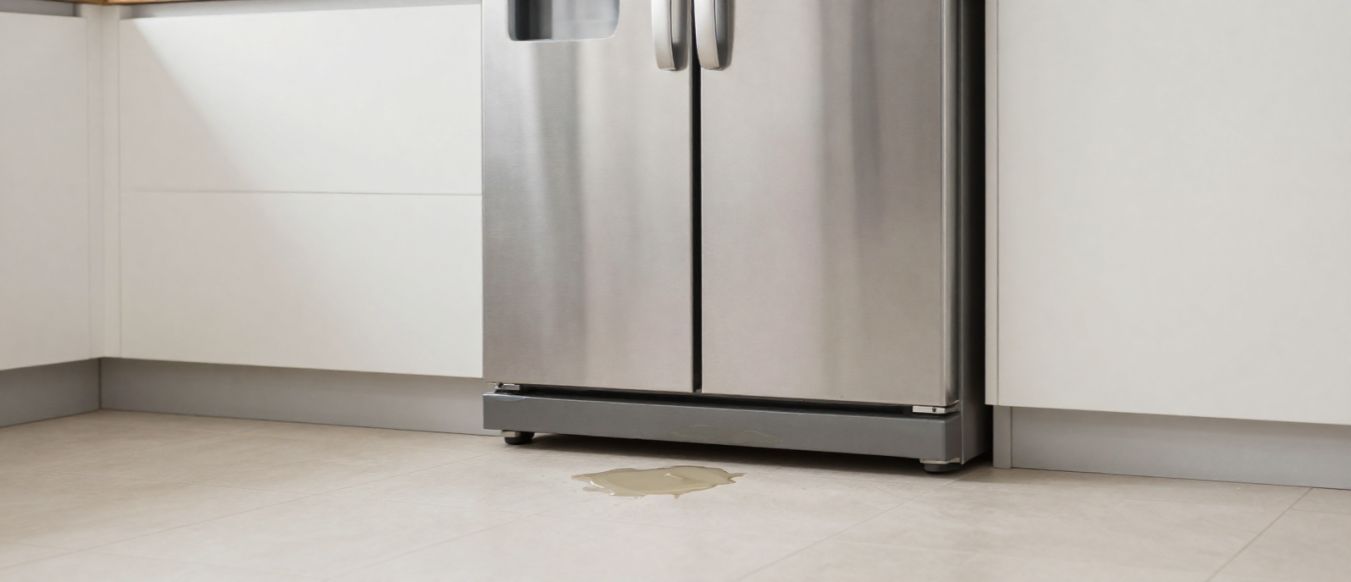
Hard water can lead to scaling inside icemakers, reducing efficiency and causing blockages. Leaking is another common issue due to mineral buildup from hard water. These problems can affect ice quality and machine performance.
- Scaling reduces the icemaker’s ability to freeze water quickly.
- Leaks can damage internal components and lead to costly repairs.
- Watch out for cloudy or foul-tasting ice as signs of water quality issues.
- Regular maintenance is crucial to address water quality-related problems in icemakers. Cleaning and descaling help prevent scaling issues. Replacing filters regularly is essential to maintain water quality, ensuring clean and clear ice production.
Maintenance Issues
Regular maintenance tasks like cleaning, desalting, and filter replacement are vital to prevent performance issues in icemakers. Neglecting these tasks can result in clogged lines, reduced ice production, and machine breakdowns.
- Desalting removes mineral deposits that affect ice taste and quality.
- Filter replacement ensures that only clean water enters the icemaker.
- Monitoring water quality helps in identifying issues early for timely maintenance.
- Effective maintenance planning includes water quality monitoring to detect changes that may impact icemaker performance. Implementing a regular maintenance schedule helps prevent major breakdowns and ensures consistent ice production for your business.
Service Call Prevention
Proactive measures such as regular maintenance and staff education can reduce the need for service calls related to water quality issues. Training staff to recognize early warning signs like unusual noises or slow ice production can help in addressing problems promptly.
- Educate staff on the importance of reporting any changes in ice quality or machine performance.
- Develop a checklist for routine inspections to catch potential problems before they escalate.
- Implement a preventive maintenance program to keep icemakers running smoothly.
Preventing Hard Water Buildup
Effective Strategies
To prevent buildup, develop a water quality management plan specifically for icemakers. Implement water treatment solutions to enhance the overall water quality. Continuously review and update strategies based on performance feedback received.
- Testing your water regularly helps you spot changes in mineral levels early so you can protect your equipment before problems start.
- Installing a water filter traps dirt, chlorine, and minerals before they can ever reach the inside of the machine.
- Hiring a professional for maintenance ensures a trained technician deep-cleans the hard-to-reach parts and keeps the whole system running perfectly
Regular Maintenance Tips
Schedule routine cleaning and descaling to maintain optimal icemaker function. Train staff on proper maintenance techniques to ensure machine longevity. Monitor water quality parameters consistently for compliance with industry standards.
- Cleaning the machine once a month stops slime and dirt from building up inside the ice bin and water lines.
- Using approved descaling cleaners safely breaks down and washes away tough white mineral crust without damaging the machine’s parts.
- Teaching your staff on an ongoing basis ensures everyone knows how to spot early warning signs and follow proper daily cleaning steps.
Use Of Water Softeners
Consider installing water softeners to combat hard water issues. Understand how water softeners can extend the lifespan of ice makers. Choose the right type of water softener based on specific requirements and water quality challenges.
- Looking into different water softeners helps you find the right system to handle the specific mineral levels in your local water supply.
- Talking to an expert before setup ensures your new system is sized correctly and installed safely without any plumbing mistakes.
- Checking and replacing parts on schedule keeps the system running smoothly so hard water never sneaks back into your ice machine.
Best Maintenance Practices
Ice Machine Cleaners
Using effective ice machine cleaners is crucial to remove mineral buildup and ensure optimal performance. It is essential to utilize manufacturer-recommended cleaning products to maintain the icemaker’s quality. Establishing a consistent cleaning schedule based on usage patterns helps in preserving water quality.
Descaling Procedures
To prevent mineral deposits, follow step-by-step descaling procedures regularly. Adhere to safety guidelines during descaling to avoid any mishaps. Regular performance checks are necessary to monitor the effectiveness of the descaling efforts.
Professional Maintenance Benefits
Hiring professionals for regular maintenance and inspections offers various advantages. Experts can identify hidden water quality issues that may impact the icemaker’s performance. Collaborating with service providers ensures the implementation of maintenance solutions for optimal results.
Closing Thoughts
Understanding the impact of water quality on your icemaker’s performance is crucial. From affecting ice quality to causing hard water challenges, the quality of water directly influences your appliance’s efficiency. By implementing preventive measures and following maintenance best practices, you can ensure optimal performance and prolong the lifespan of the choice maker. Remember, regular maintenance and using filtered water are key to preventing issues caused by hard water buildup.
Incorporating these insights into your icemaker care routine will not only enhance the quality of ice produced but also save you from costly repairs. Take charge of your icemaker’s performance by staying proactive in managing water quality. Your diligence will pay off in the form of consistent ice production and a smoothly running appliance.
Frequently Asked Questions
Water quality directly impacts ice maker performance by affecting ice taste, clarity, and the efficiency of ice production. Poor water quality can lead to mineral buildup, clogs, and decreased ice output.
Poor water quality can result in cloudy or discolored ice, strange odors or tastes in the ice, and a decrease in the overall quality of your ice cubes. It can also impact the lifespan of your ice maker.
Hard water contains high levels of minerals like calcium and magnesium, which can accumulate in the ice maker components over time. This buildup can lead to clogs, reduced efficiency, and potential damage to the machine.
To prevent hard water buildup, consider installing a water softener or using a filtration system. Regularly cleaning and descaling your ice maker can also help minimize mineral deposits and maintain optimal performance.
Regularly clean and sanitize your ice maker according to the manufacturer’s instructions. Check and replace filters as needed to ensure proper water quality. Keep the area around the ice maker clean and well-ventilated to promote efficient operation.