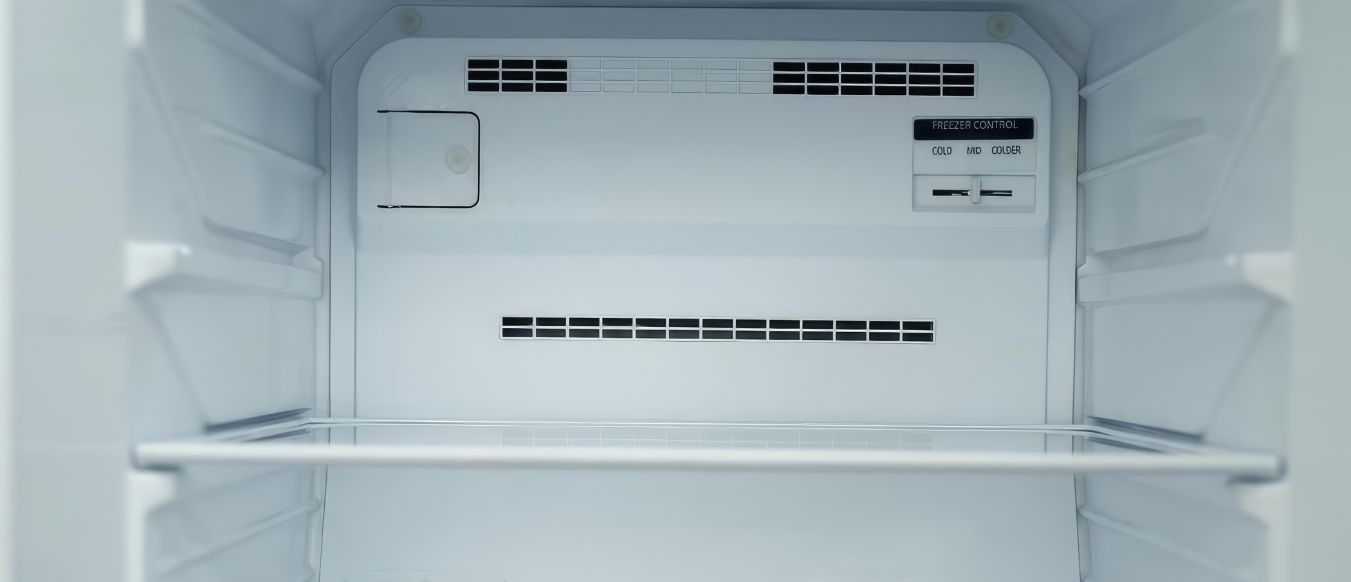
Dealing with a malfunctioning icemaker? It is time to make a decision: should you look into a repair or upgrade for your appliance? Let us weigh the options together. Fixing your machine can be a quick answer, but you need to know if it is a lasting solution for your kitchen. On the other hand, buying a new model could mean getting modern features and improved energy efficiency.
We will break down the pros and cons to help you choose a path that fits your budget and lifestyle. You do not have to settle for subpar ice production or a faulty freezer compartment anymore. Find out how to get your appliance back on track by making the best choice for your icemaker problems. If the problem gets too tricky, calling a local appliance repair service or a professional technician can easily extend your appliance lifespan and save you money.
Common Ice Maker Problems
No Ice Production
When your machine stops making ice entirely, it usually means the system isn’t getting electricity or water. This is most often caused by a flipped switch, a frozen water pipe inside the freezer, or a broken valve that is blocking water from filling up the ice tray.
- Check the power supply: Ensure the machine is fully turned on and securely plugged into a working outlet. A tripped circuit breaker, loose power cord, or accidental switch flip can cut power completely, bringing all ice production to an immediate halt.
- Inspect the water supply: A pinched, frozen, or clogged water line could be blocking water from reaching the machine entirely. If the supply line is kinked behind the refrigerator or the internal fill tube freezes over, the mold stays empty and can’t produce a single cube. Identifying the mechanical failures behind a complete shutdown is essential
Small Or Odd-Shaped Ice
Tiny, hollow, or misshapen cubes mean water isn’t filling the ice trays properly. This usually happens when your home’s water pressure is too low, when crusty mineral buildup clogs up the system, or when the freezer temperature keeps changing.
- Test the water quality: Mineral deposits and impurities can easily disrupt uniform ice formation inside the molds. High mineral content creates scale buildup that prevents water from filling the mold evenly, leaving you with brittle, hollow, or undersized cubes.
- Check freezer temperatures: Ensure your freezer is set to optimal cooling levels so the ice blocks freeze quickly and completely. If your freezer drifts above 0°F (-18°C), the water will freeze too slowly or unevenly, resulting in slushy, malformed ice shapes.
- Inspect the ice mold: Look for any physical damage, cracking, or coating wear on the mold that might deform the cubes. Over time, the slick harvest coating can peel off, causing the ice cubes to get stuck and break apart when the machine tries to eject them
Water Leaks
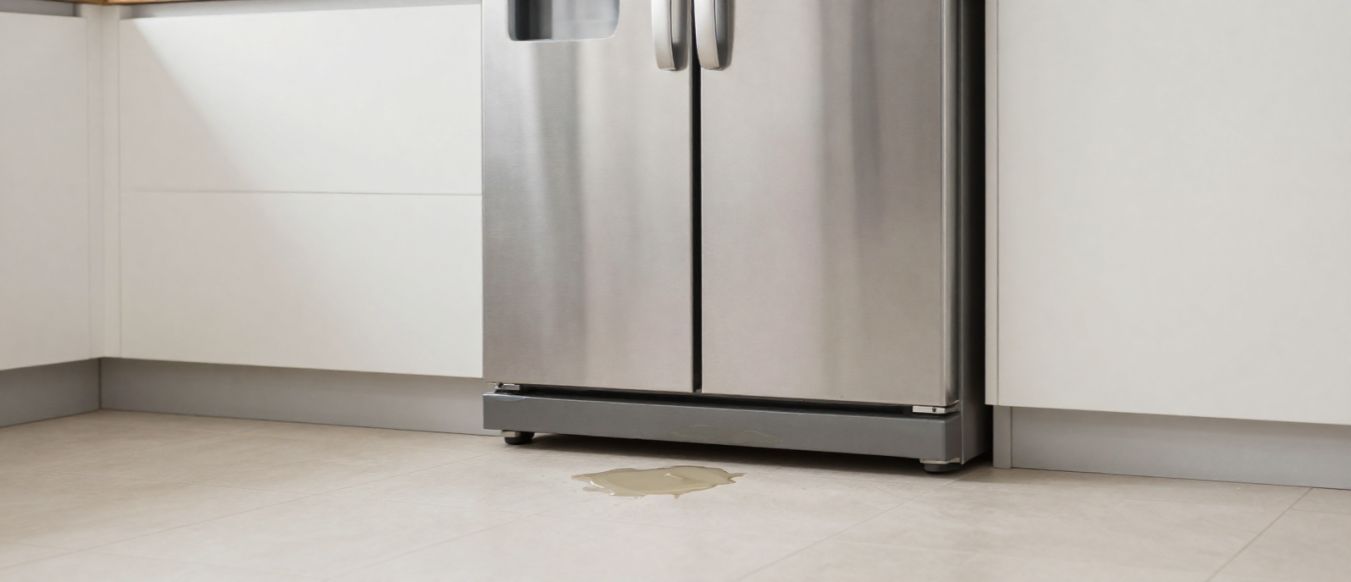
Puddles inside your freezer or on the kitchen floor mean water is escaping from its regular paths. This typically happens when plumbing lines crack, when a drain line gets blocked by frost or dirt, or when worn-out door seals let warm air inside to melt the ice.
- Check the hose lines: Investigate common sources of leaks like loose fittings, loose connections, or cracked water lines. High water pressure or aging plastic lines can cause weak joints to drip steadily, pooling water under your refrigerator or inside the freezer compartment.
- Clear the drain line: Monitor the freezer’s drainage system to ensure ice buildup or debris isn’t causing an overflow. When the defrost drain path gets clogged with frost or food particles, melting water has nowhere to go and spills directly onto your kitchen floor.
- Test the door seals: Evaluate the rubber gaskets for cracking or wear that allows warm, humid air to creep in and create excess moisture. This constant inflow of room-temperature air causes rapid frost buildup on the ice maker components, which eventually melts into a messy leak.
DIY Troubleshooting Steps
Check Water Fill Tubes
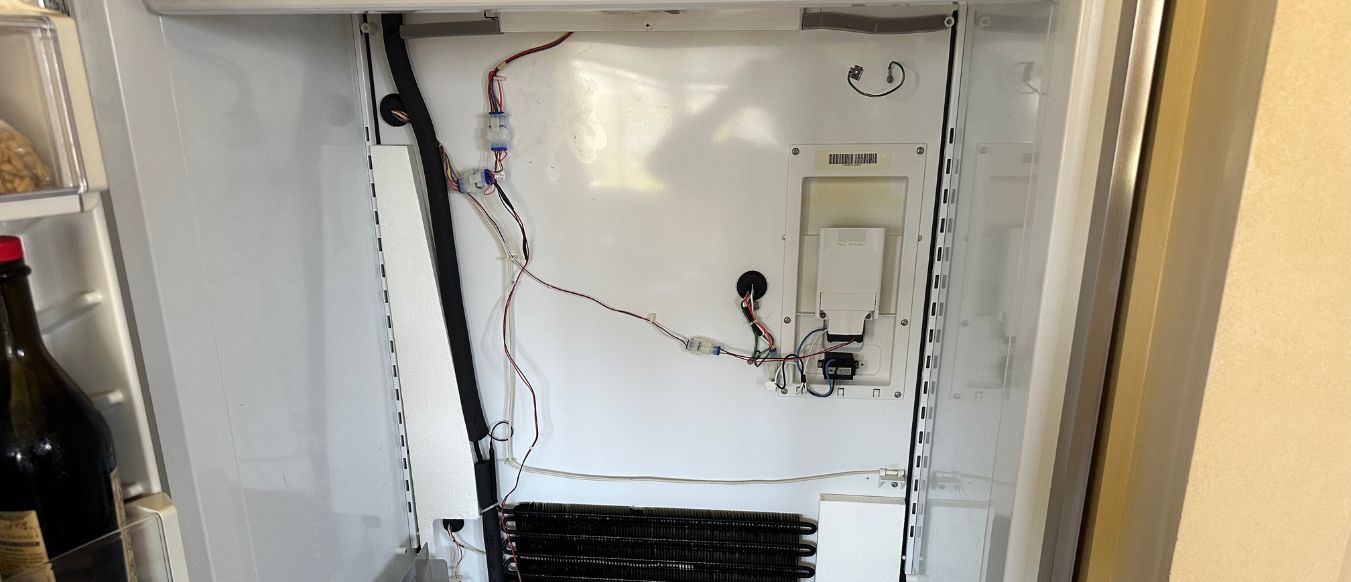
To see if water is moving smoothly, look at the thin water lines behind your fridge to look for kinks or sharp bends. You should also check for any ice blockages that can choke off the water supply and stop the machine from working. While you are back there, tighten connections at all the joints to prevent hidden water leaks from dripping onto your floor. Lastly, you need to verify water pressure because if your home’s water system is too weak, it won’t be strong enough to trigger the machine’s fill cycle.
Inspect The Water Inlet Valve
The water inlet valve is like a little electronic gate that lets water into the machine, but it can get dirty. You need to check for debris like sand or hard water crust that might be clogging the tiny screen filter inside the valve. It is also a good idea to verify electrical health by making sure the wires are securely connected so the valve gets the power it needs to open and close. If the valve gets stuck completely open or stays jammed shut, it cannot be fixed, and you will have to replace when broken.
Clean The Water Filter
A dirty filter can slow everything down, so you should clean the water filter or replace it to help boost your water flow and get better ice quality right away. It is best to replace on a schedule so old, dirty filters don’t let grit creep into the sensitive parts inside your ice maker. Before you buy a new one, always check model specs to confirm your replacement filter matches your exact appliance brand and model number.
Adjust Thermostat Settings
When your ice is soft or freezing too slowly, you should adjust thermostat settings to make sure the freezer is cold enough. First, verify the cold zone by looking at your digital screen or temperature dial to see if it matches what the ice maker needs. If the freezer is too warm, you can lower the heat by dropping the temperature a couple of degrees to speed things up. If the air inside feels different from what the display says, you might need to calibrate the sensor to reset it and get an accurate reading.
When To Repair Or Upgrade
| Features | Repair the Ice Maker | Upgrade to a New Unit |
|---|---|---|
| Best Time to Choose | The machine is under 5 years old and needs a simple, cheap part. | The machine is over 5 to 7 years old and breaks down constantly. |
| Upfront Cost | Lower cost for a quick, one-time fix. | Higher initial cost to buy and install a new machine. |
| Long-Term Savings | Saves money now, but old parts may still break later. | Lowers your energy bills and stops frequent repair costs. |
| Features & Tech | You keep the same basic features you already have. | You get faster ice making, less noise, and better energy efficiency. |
Signs For Professional Help
- Persistent failures: If the machine keeps breaking down even after basic troubleshooting, something deeper is wrong.
- Loud or strange noises: Grinding, buzzing, or clicking sounds often point to mechanical gear failure or a dying motor.
- Skill or tool gaps: If the job requires taking apart major cooling components, it’s safer to call a professional technician.
Risks Of Ignoring Repairs
- Compounding damage: Neglecting a minor leak or electrical issue can quickly destroy surrounding electronics and ruin your fridge.
- Spiking utility bills: A struggling ice maker forces your freezer to work overtime, resulting in much higher energy costs.
- Hidden mold growth: Stagnant water leaks combined with a broken machine create a breeding ground for dangerous bacteria.
Benefits Of Upgrading
- Modern efficiency: Newer ice makers use less energy and freeze ice much faster than older, worn-out models.
- Long-term savings: Lower power bills and fewer technician visits mean an upgrade frequently pays for itself over time.
- Less maintenance hassle: Brand-new models feature upgraded, corrosion-resistant components designed to resist scaling.
Best Maintenance Practices
Ice Machine Cleaners
Using effective ice machine cleaners is crucial to remove mineral buildup and ensure optimal performance. It is essential to utilize manufacturer-recommended cleaning products to maintain the ice maker’s quality. Establishing a consistent cleaning schedule based on usage patterns helps in preserving water quality.
Descaling Procedures
To prevent mineral deposits, follow step-by-step descaling procedures regularly. Adhere to safety guidelines during descaling to avoid any mishaps. Regular performance checks are necessary to monitor the effectiveness of the descaling efforts.
Professional Maintenance Benefits
Hiring professionals for regular maintenance and inspections offers various advantages. Experts can identify hidden water quality issues that may impact the ice maker’s performance. Collaborating with service providers ensures the implementation of preventive maintenance solutions for optimal results.
Closing Thoughts
Understanding common issues and knowing the right troubleshooting steps empowers you to make the right choice between an easy repair and a full upgrade. By applying quick DIY checks, you can often save time and money. But whether it’s a simple part replacement or a sign that it’s time to shop for a new unit, taking proactive action protects your kitchen.
The choice is entirely yours, but a well-maintained system is vital for your daily household comfort. Stay proactive, weigh your options wisely, and enjoy hassle-free ice production in your home.
Expert Ice Maker Repair in Berkeley, California
When your ice maker malfunctions, it quickly disrupts your kitchen’s efficiency. Zuta Appliance Repair is here to restore your home’s convenience with top-tier ice maker repair services. Whether you are dealing with broken lines or regular wear, scheduling a timely refrigerator repair or setting up a preventive maintenance program can protect your appliance from sudden, expensive failures.
Get your kitchen running smoothly again with cost-effective, long-lasting results. Contact us now to bring cool convenience and peace of mind back to your Berkeley home!