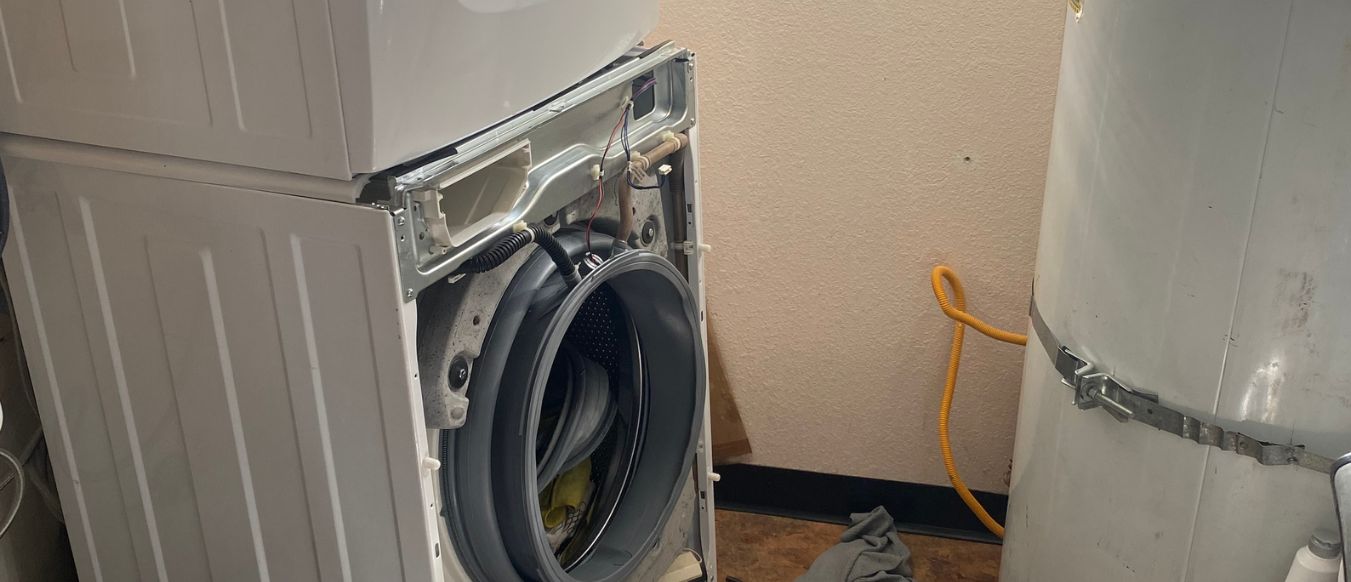
When a washing machine starts making noises most people think the worst. They might worry about a repair cost or even having to buy a new machine. That can happen. It’s not what usually happens.
This guide looks at the reasons a washing machine makes sounds one by one and explains what each noise usually sounds like. Some problems can be fixed in a few minutes with no tools needed. A few require a professional. Knowing the difference can save you from a service call that wasn’t necessary or prevent you from ignoring a noise that really needs attention.
What Does the Noise Sound Like?
A washer is never completely quiet. Water flows in. The door lock clicks. The pump makes a gurgling sound at the end. The motor hums all the time. These noises are normal. A front-loader can spin at than 1,000 rotations per minute so some noise during the final spin is expected. What you should pay attention to is any sound that’s new or sharper, than before or getting louder each week.
It also matters what you hear. Do you fill, wash or spin? Do you do it every time or just for the loads? If you can say “it thumps during the spin cycle. Only when there are towels ” you have already figured out a lot. The table below matches common sounds, with reasons.
| Type of Noise | When It Happens | Likely Cause | How Serious? |
|---|---|---|---|
| Banging or thumping | Spin cycle | Unbalanced load or machine not level | Low to medium |
| Rattling or clicking | Any cycle | Coin, key or small item in drum or pump | Low |
| Grinding or rumbling | Spin cycle | Worn drum bearings | High |
| Squealing or screeching | Wash or spin | Worn belt or motor problem | Medium |
| Loud humming or buzzing | Draining | Failing drain pump | Medium |
| Clunking | Wash or spin | Worn shock absorbers or suspension rods | Medium |
| Bang in the wall | Start or end of fill | Water hammer in the pipes | Low |
Tip: Run the washer empty on a short cycle. If it's loud with nothing inside, the clothes aren't the problem.
Unbalanced Load
Of all the reasons a washing machine makes noises during the spin cycle this is the problem we see the most. Wet clothes become heavy. Gather in one place. When most of the weight is on one side of the drum the drum moves back and forth as it spins and the machine hits the floor or the wall next, to it.
Towels, jeans, bed sheets and bath mats are the main offenders. One soaked comforter on its own can do it. Pause the cycle, open the door, and pull the clothes apart so the weight is spread around. Then restart the spin. Some LG and Samsung machines stop by themselves and show a code like UE or UB when they can’t even things out. It’s the same thing, and you fix it the same way.
Washer Not Level
A washer that rocks even slightly will get loud once the drum speeds up. We see it after a move, or when the machine got pushed back into place and nobody checked the feet. It takes about five minutes to check.
- Set a small bubble level on top, then check front to back and side to side.
- Look at each of the four feet. Usually one is sitting a little higher than the rest.
- Turn the feet by hand until the bubble centers. If there’s a lock nut, tighten it when you’re done.
- Press down hard on each corner. Any rocking means it isn’t finished.
- Wood floors flex under a spinning load. If yours does, that adds to the shaking even when the washer is level.
Worn Drum Bearings
Grinding or rumbling that gets louder as the drum picks up speed points to the bearings. They’re the metal rings the drum rides on. Water gets past the seal over the years, rusts them out, and then you hear it. Front-loaders get this more often, though top-loaders aren’t exempt.
Here’s a check you can do. Turn the washer off, empty it, and spin the drum with your hand. A rough feel or a growl is a bad sign. On a front-loader, grab the drum near the top and pull it toward you. Any play or clunk means the bearings are going. This is not a weekend project, because the machine has to come mostly apart to reach them. Don’t sit on it for months either. A bad bearing can score the drum, and then the repair gets a lot bigger.
Something Stuck in the Drum or Pump
- A rattle or a click always means that a small object has become loose.
- Coins and keys are the culprits. Buttons, hair clips and the wire from a bra are also offenders.
- Always check every pocket before you load the machine every time.
- If you have a front‑loader open the rubber door seal. Look inside. Small items often hide in the folds.
- Front‑loaders contain a drain‑pump filter behind a small panel near the front. Place a pan and a towel beneath it before opening because water may spill out.
- Many top‑loaders lack a filter. If something is jammed inside the pump on one of those machines it is a job for a technician.
- A loud buzzing noise, during drainage can indicate that the pump motor itself is failing.
Worn Shock Absorbers or Suspension Rods
Inside the cabinet, the drum is held up by parts that soak up the shaking during the spin. In a front-loader these are shock absorbers. A top-loader uses suspension rods or springs. They wear with age, and faster in a house that runs laundry most days of the week.
Once they’re tired, the drum swings farther than it should. You get a thump or clunk on the spin, and it happens even with a small load that’s balanced fine. Sometimes the whole washer walks across the floor. Left alone it gets worse, since the extra movement is hard on other parts. A technician can test them and replace what’s worn.
Worn Belt or Motor Trouble
Some washers have a belt running from the motor to the drum. Direct-drive models skip the belt completely, so this section only fits certain machines.
- A squeal that comes and goes usually means a worn or loose belt.
- A loud hum with a drum that hardly turns can point to the motor.
- Smell burning? Stop the washer and unplug it right then.
- Belts and motors involve electrical work. Leave both to a professional.
Loose Parts and Shipping Bolts
If a brand new front-loader is shaking hard, look at the back. These machines ship with bolts that lock the drum in place for delivery, and they’re supposed to come out before the first wash. When they’re left in, the drum can’t float the way it’s designed to, and the whole machine bangs. Your manual shows where the bolts go.
Older machines have a different version of the same thing. Vibration over the years loosens screws, panels and the lid, and a loose panel makes a rattle that’s easy to mistake for something worse. Tighten what you can reach. Also listen at the exact moment water starts or stops. A bang inside the wall right then is water hammer in the pipes, and the washer isn’t at fault. Hoses pressed against the wall can buzz too, so give them a little room.
When to Call a Professional
You’ve leveled it, checked every pocket, spread out the load, and it’s still loud. That’s about the point to get it looked at. Any of these makes it more urgent:
- Grinding that gets worse each week
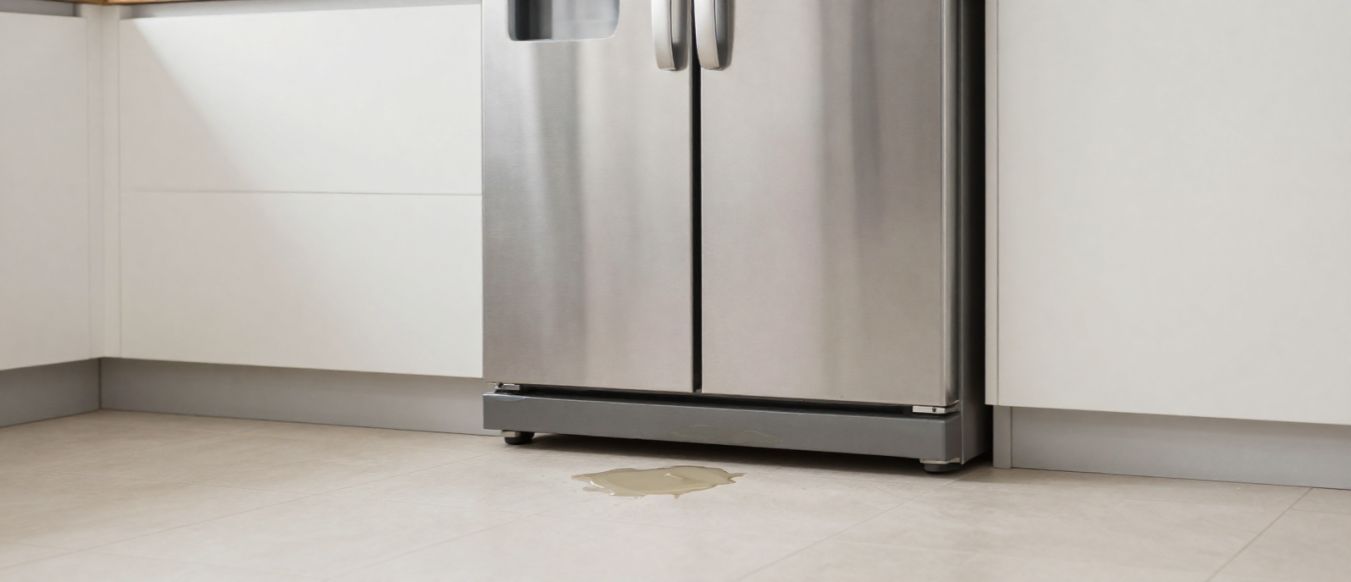
- Water on the floor around the machine
- A burning smell or smoke
- A drum that wobbles or moves when you pull on it
- The washer stops mid-cycle or won’t spin
- Clothes coming out dirty or soaking wet, which can be a separate problem with how the washer cleans
A technician can tell you whether the machine is worth fixing. A common rule is to repair it if it’s under 10 years old and the repair costs less than half of a new one. If you want to know what a visit looks like, there’s more on washing machine repair here.
Don't Just Live With the Noise
Most loud washers have a boring cause. A lumpy load, a crooked foot, a coin in the pump. Fix those and the noise is gone, and it costs you nothing. Grinding, a drum with play, and any burning smell are the ones to take seriously.
A bit of regular upkeep makes a difference as well. Check the level now and then, empty pockets, and don’t stuff the drum full. Our preventative maintenance page covers more of that. And if the noise is still there after the easy checks, get it looked at before the washer quits halfway through a load.
Still hearing that noise?
Is your washer still loud after you’ve tried the basics? Zuta Appliance Repair serves Berkeley and the East Bay, usually with same-day or next-day appointments. Call (415) 592-4633 or send us a message, and a technician will find the cause and give you a clear quote.