Washing machines are essential appliances in most households, designed to make the chore of laundry more manageable. However, like all mechanical devices, they experience wear and tear over time, leading to the need for maintenance and replacement of various parts. Here are 10 parts of washing machines that often need replacing:
1. Drive Belt
The drive belt in a washing machine is responsible for connecting the motor to the drum or agitator, enabling the drum to rotate and agitate the clothes. Over time, the drive belt can wear out, become loose, or break, which can cause the washing machine to stop spinning or agitating effectively. Replacing a drive belt typically involves accessing the back or bottom of the washing machine, removing the old belt, and installing a new one.
Symptoms of a Worn Drive Belt:
- The drum does not spin or agitate.
- The machine makes a squealing noise during operation.
- The belt appears cracked or frayed.
Steps to Replace a Drive Belt:
- Unplug the washing machine and turn off the water supply.
- Remove the back or bottom panel of the washing machine to access the belt.
- Release the tension on the old belt and remove it from the pulleys.
- Install the new belt by looping it over the motor and drum pulleys.
- Reassemble the washing machine and test its operation.
2. Pump
The pump in a washing machine is crucial for draining water from the drum during and after the wash cycle. There are two main types of pumps: electric pumps and belt-driven pumps. Over time, the pump can become clogged, wear out, or fail, leading to water not draining properly from the machine. Replacing a pump involves disconnecting the old pump and installing a new one.
Symptoms of a Faulty Pump:
- The washing machine does not drain water.
- Water leaks from the machine.
- The machine makes unusual noises during the drain cycle.
Steps to Replace a Pump:
- Unplug the washing machine and disconnect the water supply.
- Access the pump by removing the front or bottom panel of the machine.
- Disconnect the hoses and electrical connections from the old pump.
- Remove the old pump and install the new one, reconnecting hoses and electrical connections.
- Reassemble the washing machine and test its operation.
3. Motor Coupler
The motor coupler connects the motor to the transmission, allowing the motor to drive the washing machine’s mechanical functions. This part often fails due to wear and tear, especially in older machines or those frequently used. When the motor coupler breaks, the washing machine may not agitate or spin, necessitating replacement.
Symptoms of a Broken Motor Coupler:
- The machine fills with water but does not agitate or spin.
- The motor runs but the drum does not move.
- There is a burning smell or unusual noise during operation.
Steps to Replace a Motor Coupler:
- Unplug the washing machine and turn off the water supply.
- Remove the washing machine’s cabinet to access the motor.
- Disconnect the motor from the transmission.
- Remove the old motor coupler and install the new one.
- Reassemble the washing machine and test its operation.
4. Door or Lid Switch
The door or lid switch is a safety feature that prevents the washing machine from operating when the door or lid is open. If this switch malfunctions, the machine may not start or continue the wash cycle. Replacing a faulty door or lid switch involves accessing and replacing the switch mechanism.
Symptoms of a Faulty Door or Lid Switch:
- The washing machine does not start.
- The machine stops mid-cycle.
- The machine does not spin or agitate.
Steps to Replace a Door or Lid Switch:
- Unplug the washing machine.
- Access the door or lid switch by removing the top or front panel of the machine.
- Disconnect the wiring from the old switch.
- Remove the old switch and install the new one.
- Reassemble the washing machine and test its operation.
5. Water Inlet Valve
The water inlet valve controls the flow of water into the washing machine. It opens and closes to allow the right amount of hot and cold water into the drum. If the valve malfunctions, the washing machine may not fill with water, or it may fill slowly. Replacing a faulty water inlet valve involves disconnecting the old valve and installing a new one.
Symptoms of a Faulty Water Inlet Valve:
- The washing machine does not fill with water.
- Water enters the machine slowly.
- The machine overflows with water.
Steps to Replace a Water Inlet Valve:
- Unplug the washing machine and turn off the water supply.
- Access the water inlet valve, typically located at the back of the machine.
- Disconnect the hoses and electrical connections from the old valve.
- Remove the old valve and install the new one.
- Reassemble the washing machine and test its operation.
6. Drain Hose
The drain hose is responsible for carrying water out of the washing machine and into the household plumbing system. Over time, the hose can become clogged, kinked, or damaged, leading to drainage issues. Replacing a damaged or clogged drain hose is relatively simple and involves removing the old hose and installing a new one.
Symptoms of a Faulty Drain Hose:
- The washing machine does not drain water.
- Water leaks from the back of the machine.
- There is visible damage or clogging in the hose.
Steps to Replace a Drain Hose:
- Unplug the washing machine and turn off the water supply.
- Access the drain hose at the back of the machine.
- Disconnect the old hose from the machine and the household plumbing.
- Install the new hose, ensuring it is securely connected.
- Reassemble the washing machine and test its operation.
7. Drum Bearings
Drum bearings support the drum and allow it to rotate smoothly during the wash cycle. Over time, these bearings can wear out, leading to noisy operation or a wobbly drum. Replacing drum bearings is a complex task that involves disassembling a significant portion of the washing machine.
Symptoms of Worn Drum Bearings:
- The washing machine makes a loud rumbling or grinding noise.
- The drum wobbles or feels loose.
- There are visible signs of wear or damage to the bearings.
Steps to Replace Drum Bearings:
- Unplug the washing machine and turn off the water supply.
- Remove the washing machine’s top and back panels to access the drum.
- Disassemble the drum to remove the old bearings.
- Install the new bearings and reassemble the drum.
- Reassemble the washing machine and test its operation.
8. Door Boot Seal (Gasket)
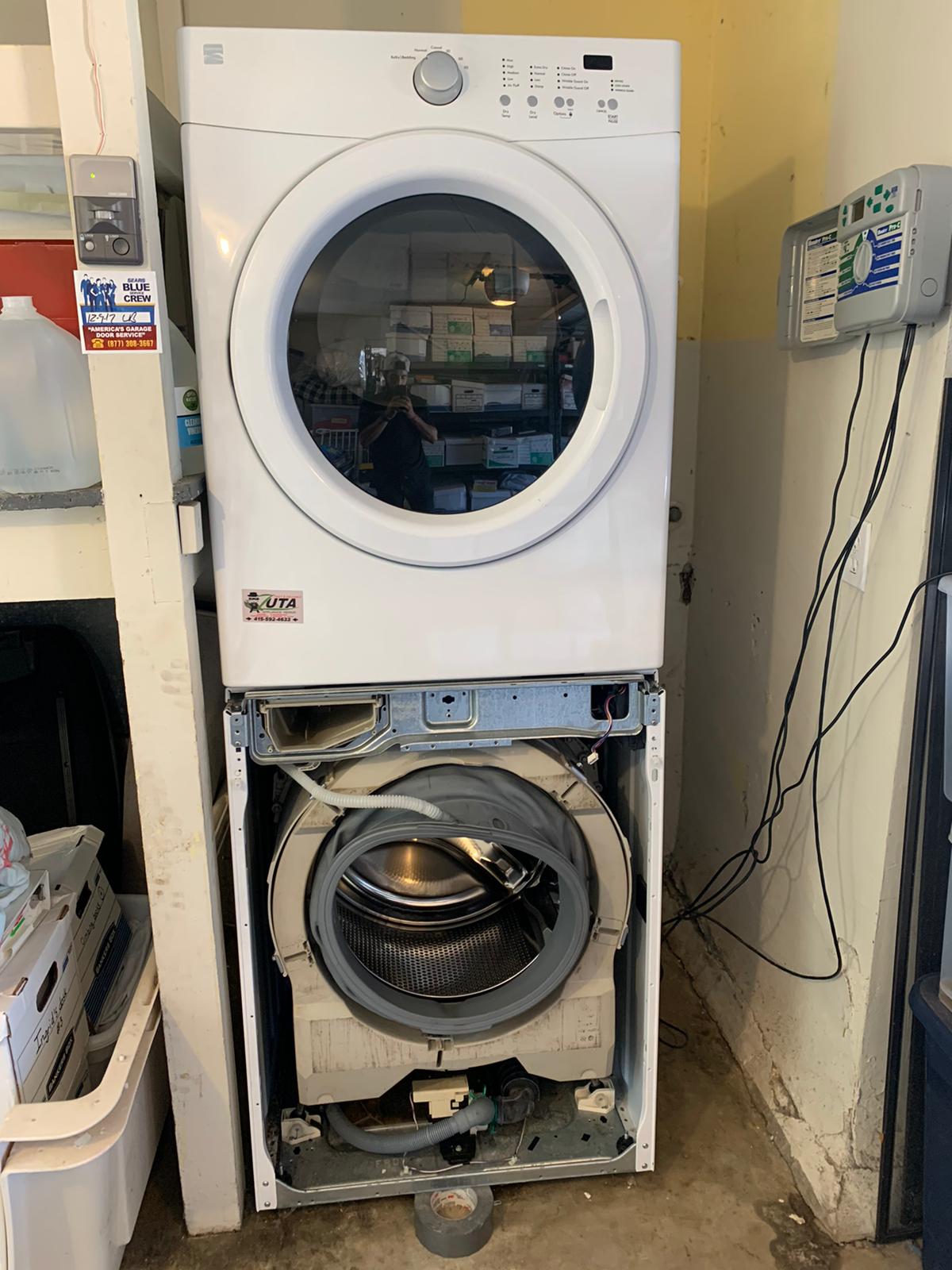
The door boot seal, or gasket, is a rubber seal that surrounds the door of a front-loading washing machine, preventing water from leaking out during the wash cycle. Over time, the gasket can become worn, torn, or moldy, necessitating replacement. Replacing the door boot seal involves removing the old gasket and installing a new one.
Symptoms of a Faulty Door Boot Seal:
- Water leaks from the door of the washing machine.
- The gasket appears torn or damaged.
- There is mold or mildew buildup on the gasket.
Steps to Replace a Door Boot Seal:
- Unplug the washing machine and turn off the water supply.
- Open the washing machine door and remove the retaining band from the old gasket.
- Remove the old gasket from the door frame.
- Install the new gasket and secure it with the retaining band.
- Reassemble the washing machine and test its operation.
9. Control Board (PCB)
The control board, or PCB (Printed Circuit Board), manages the washing machine’s electronic functions, including the wash cycle settings and timing. If the control board malfunctions, the machine may not start, stop mid-cycle, or fail to perform certain functions. Replacing a faulty control board involves disconnecting the old board and installing a new one.
Symptoms of a Faulty Control Board:
- The washing machine does not start.
- The machine stops mid-cycle or does not complete cycles.
- Error codes appear on the display.
Steps to Replace a Control Board:
1. Unplug the washing machine.
2. Access the control board by removing the top or front panel of the machine.
3. Disconnect the wiring and mounting screws from the old control board.
4. Install the new control board, reconnecting wiring and mounting screws.
5. Reassemble the washing machine and test its operation.
10. Agitator Dogs
Agitator dogs are small plastic components inside the agitator that allow it to rotate in one direction and then reset. Over time, these dogs can wear out, causing the agitator to stop functioning correctly. Replacing agitator dogs involves disassembling the agitator and installing new dogs.
Symptoms of Worn Agitator Dogs:
- The agitator does not move or only moves in one direction.
- The machine makes a clicking sound during the wash cycle.
- The agitator feels loose or wobbly.
Steps to Replace Agitator Dogs:
- Unplug the washing machine.
- Remove the fabric softener dispenser and agitator cap to access the agitator dogs.
- Remove the bolt securing the agitator and pull the agitator out.
- Disassemble the agitator and replace the old dogs with new ones.
- Reassemble the washing machine and test its operation.
Conclusion
Maintaining and replacing parts in a washing machine is crucial for its longevity and efficient performance. By understanding the common parts that often need replacement, such as the drive belt, pump, motor coupler, door or lid switch, water inlet valve, drain hose, drum bearings, door boot seal, control board, and agitator dogs, homeowners can ensure their washing machine remains in good working condition. Regular maintenance and timely replacement of worn-out parts can prevent more significant issues and costly repairs, keeping the washing machine running smoothly for years.