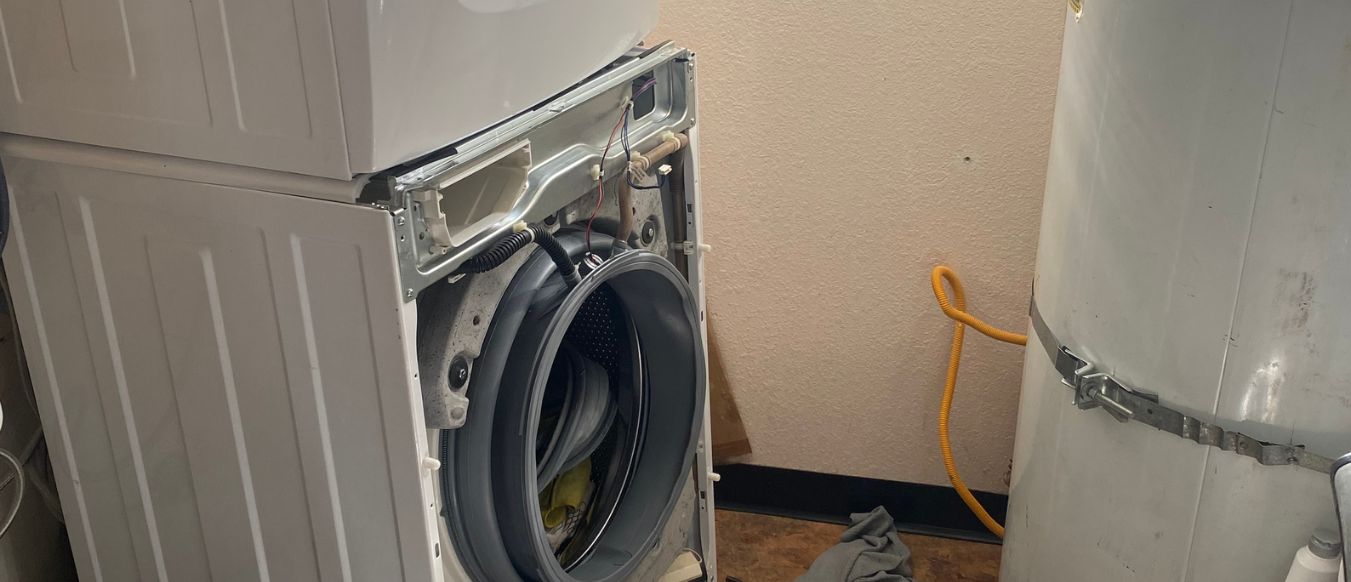
By understanding the significance of regular upkeep, including cleaning washing machine filters and maintaining the washing machine drain, you can significantly prolong your washer’s lifespan. Use pliers to remove any debris from the drain hose. Neglecting these crucial components such as pliers and blockage in the pipe could lead to costly repairs or even a premature replacement of the issue. We’ll explore how proper care ensures optimal performance and saves you from potential headaches down the line.

Recognizing the Importance of Regular Filter Cleaning
Optimal Washing Machine Performance
Regular cleaning of your washing machine drain, including the drain hose and pipe, is essential for maintaining its optimal performance and preventing blockage. The filter prevents lint, hair, and other debris from clogging the drain pipe or entering the pump. It ensures that there is no blockage in the washer tub. When the washer tub filter or lint trap is clogged, it can lead to slow water drainage through the pipe during the wash cycle.
A clogged lint trap or drain hose may cause your washing machine to work harder to complete a cycle, which could result in increased energy consumption. Make sure to regularly clean the lint trap and inspect the drain hose for any blockages. By keeping the filter and lint trap clean, you ensure that water flows freely through the drain hose and tub of the machine, and that each load of laundry is washed efficiently. This helps maintain the efficiency of the housing as well.
Prevention of Drainage Issues and Washer Damage
Neglecting cleaning the lint trap can lead to significant drainage issues and even damage your washer over time. It is important to regularly clean the lint trap to prevent these problems. If too much debris accumulates in the lint trap or drain hose, it can obstruct proper water flow within the machine. This obstruction may ultimately cause standing water inside your washer or prevent it from draining properly after a wash cycle, especially if there is a problem with the pump filter or filter housing.
Furthermore, when excess debris builds up in the filter and isn’t promptly removed, it can put strain on various components of your washing machine, including the drain. Over time, the strain on the drain and pump filter may contribute to mechanical wear and tear or even permanent damage if left unaddressed. This strain can be prevented by regularly maintaining the filter housing.
Cleaner Clothes and Better Water Efficiency
Clean filters are essential for maintaining efficient water drainage and ensuring that your clothes come out cleaner after each wash. They contribute to better overall water efficiency. When filters are regularly cleaned as part of routine maintenance, they help trap dirt particles effectively during each wash cycle. This helps to prevent clogs and keep the drain flowing smoothly.
Locating Your Washer’s Lint Trap and Filter
Types of Filters and Their Locations
Understanding the location of your machine’s lint trap, filter, and drain is crucial. Different washing machine models have varying types of filters, such as removable lint traps, pump filters, agitator filters, and drain filters. These can be found in different locations based on the design of the appliance, such as filter housing, drain, and pump filter. For instance, some machines feature a lint trap along the water drainage hose, while others have a filter near the agitator at the bottom of the tub.
Knowing the location of these components, such as the drain, is crucial for effective cleaning and maintenance. If you’re unaware of the drain locations, you might miss out on vital cleaning steps that could lead to clogging issues or reduced washer performance over time.
Understanding the drain aspect not only ensures proper care but also prevents potential damage to your appliance due to neglecting its maintenance needs.

Importance of Knowing Your Washer’s Filter Location
Recognizing the significance of locating your washer’s lint trap, filter, and drain cannot be overstated. Regularly maintaining these parts helps prevent clogs from forming in your machine’s drain system, ensuring smooth water flow during each cycle. By keeping these areas clean, you can avoid problems like slow water drainage or foul odors emanating from your washer.
Moreover, being aware of where the drain and its components are situated allows you to efficiently address any issues related to the drain without unnecessary hassle or confusion. This knowledge empowers you to take proactive measures when performing routine cleaning tasks for better overall appliance upkeep, including ensuring the drain is clear.
Step-by-Step Guide to Cleaning Your Washing Machine Filter
Tools and Materials Needed
To effectively clean your washing machine filter and drain, you will need a few simple tools and materials. These drain cleaning supplies include a pair of rubber gloves, an old toothbrush or soft-bristled brush, white vinegar, and a microfiber cloth. The rubber gloves will protect your hands while you drain any dirt or grime from the filter, using the toothbrush or soft-bristled brush to scrub away debris. White vinegar is an excellent natural cleaner that can break down mineral deposits and remove mold or mildew. It is also effective in unclogging drains. Lastly, a microfiber cloth is perfect for wiping down the filter after cleaning to ensure that it is free from any debris or buildup that could potentially clog the drain.
Having the drain tools and materials on hand will make the drain process much smoother. They are all readily available at most grocery stores or hardware stores, making it easy to keep them stocked for regular drain maintenance.
Tips and Tricks for Effective Cleaning
Cleaning your washing machine filter and drain doesn’t have to be complicated if you know some tips and tricks for doing so effectively. Start by locating the filter as discussed in the previous section; then carefully remove it according to your washing machine’s user manual instructions. Once removed, inspect the filter for any visible debris such as lint, hair, or small objects like coins that may have gotten caught.
Next, use the old toothbrush or soft-bristled brush to gently scrub away any buildup on the filter. Be mindful not to use excessive force as this could damage delicate parts of the filter assembly. After loosening debris with gentle brushing motions, rinse off excess residue under running water before soaking it in white vinegar solution for about 30 minutes.
After soaking in vinegar solution removes mineral deposits thoroughly with gentle brushing once more before rinsing again with water until all traces of dirt are gone without leaving behind any soap residues which might cause clogging issues later.
Techniques for Unclogging a Blocked Washer Drain
Common Causes
Washer drains can get blocked due to various reasons. One common cause is the accumulation of lint, dirt, and debris from clothes. These particles often build up over time, forming a barrier that prevents water from draining properly. Small objects like coins or buttons can also find their way into the drain, contributing to blockages.
Another frequent culprit behind washer drain clogs is soap scum and detergent residue. When these substances mix with lint and other debris, they create a sticky sludge that adheres to the walls of the drain pipe. As this sludge thickens over repeated wash cycles, it restricts water flow and eventually leads to drainage problems.
Effective Unclogging Techniques
To address a blocked washer drain effectively, start by locating the drain pump filter at the front or bottom of your washing machine. Use your user manual as guidance if needed. Once located, carefully remove any visible debris or foreign objects trapped in the filter by hand or with a soft brush.
Next, unscrew the filter cap counterclockwise (if applicable) and check for any obstructions inside the tube connected to it. Clear out any accumulated gunk using a long-handled brush or flexible plumbing snake designed for this purpose.
If you suspect that soap scum has contributed to the blockage, pour hot water mixed with vinegar down the drain pipe after cleaning out visible clogs. The heat helps dissolve built-up residue while vinegar’s acidity aids in breaking down stubborn deposits within the pipes.
Preventative Measures
Regularly cleaning your washing machine’s filter is crucial in preventing future drainage issues caused by lint buildup and foreign objects entering through pockets during wash cycles. Consider investing in mesh laundry bags for delicate items like undergarments or baby clothes; these bags prevent small articles from slipping into your washer tub’s drainage system. Using liquid detergent instead of powdered versions can help reduce soap scum formation within your washer’s plumbing over time. Install an inline lint trap on your washing machine’s drain hose; this additional filtering device catches stray fibers before they enter your plumbing system.
By following these tips on maintaining your washer’s filters and drains clean regularly will ensure optimal performance while extending its lifespan significantly.
Maintaining Drainage Efficiency by Cleaning the Filter Housing
Importance of Cleaning the Filter Housing
Cleaning the filter housing is crucial for maintaining efficient drainage in your washing machine. Over time, debris and lint can accumulate in the filter, leading to clogs that hinder proper water drainage. This can result in slow draining or even complete blockages, causing water to back up and potentially damage your washer.
Regularly cleaning the pump filter and its housing helps prevent these issues, ensuring that your washing machine drains properly after each cycle. By doing so, you’ll not only extend the life of your appliance but also avoid potential costly repairs due to drainage-related problems.
Safe Removal and Cleaning Process
To clean the filter housing, start by locating it within your washing machine. The location varies depending on the model but is typically found behind a small access door at the front or bottom of the appliance. Once located, carefully open the access panel and remove any screws or clips holding it in place.
Next, gently pull out the water pump filter assembly from its housing. Be prepared for some water spillage as you do this since there may still be standing water inside. After removing it, use a soft brush or cloth to clean off any visible debris from both the filter and its housing before rinsing them with warm water.
Once cleaned thoroughly, reinsert the filter assembly into its housing securely before replacing any screws or clips on the access panel. Ensure everything is tightly sealed to prevent leaks during operation.

Preventing Mold, Mildew, and Foul Odors
In addition to cleaning regularly as part of maintenance routine; there are additional tips for preventing mold growths:
- Leave washer door slightly ajar between cycles.
- Run an empty hot-water cycle with vinegar once a month.
- Use high-efficiency detergent to reduce soap scum buildup. These practices help minimize moisture retention within both pump filters’ housings which can lead to mold development if left unchecked over time.
Tips for Properly Scrubbing and Maintaining the Filter
Suitable Techniques
It’s crucial to employ suitable techniques. Begin by turning off the washing machine and locating the filter. Gently remove any debris or lint using your hands or a soft brush.
Regular maintenance of the filter is essential in preventing clogs and improving the performance of your washing machine. By scrubbing away accumulated dirt, you can ensure that water flows smoothly through the system.
Cleaning Solutions
Discovering suitable cleaning solutions for effectively cleaning the filter is equally important. Opt for mild dish soap mixed with warm water as an effective cleaning solution. This gentle yet powerful mixture helps break down grime without causing damage to the filter.
A mild detergent combined with warm water can effectively dissolve buildup on filters, ensuring they remain clean and free from blockages.
Tools for Maintenance
Utilize appropriate tools such as an old toothbrush when maintaining your washer’s filter. The soft bristles of an old toothbrush are perfect for gently scrubbing away grime without damaging delicate parts of the filter.
An old toothbrush can be used to reach small crevices where dirt accumulates, ensuring thorough cleaning without causing any harm to sensitive components.
Regular Short Wash Cycles for Ongoing Maintenance
Importance of Short Wash Cycles
Regular short wash cycles are a crucial aspect of maintaining the efficiency and longevity of your washing machine. These short cycles play a vital role in preventing the accumulation of debris and grime in the washer’s filter and drain. By incorporating short wash cycles into your laundry routine, you can effectively flush out any lingering residue that may have escaped previous cleaning efforts.
Short wash cycles help to dislodge and eliminate any trapped particles or buildup within the washer system, ensuring that it continues to operate at its best. This proactive approach contributes to reducing the risk of clogs, blockages, or malfunctions caused by neglected maintenance.

Frequency and Duration Recommendations
To maintain optimal performance, it is recommended to incorporate a short wash cycle using hot water every 30-40 loads. This frequency helps prevent excessive residue from accumulating in the filter and drain, preserving their functionality over time.
When running these shorter cycles as part of ongoing maintenance, aim for a duration between 15-20 minutes to ensure thorough cleansing without consuming excess energy or water resources. By adhering to this regular schedule for running empty wash cycles with hot water, you can significantly contribute to extending the lifespan of your washing machine while avoiding potential issues associated with neglecting proper care.
Incorporating these regular short wash cycles into your laundry routine not only safeguards against potential malfunctions but also supports consistent performance from your washer. With this simple yet effective strategy, you can proactively address potential issues before they escalate into significant problems.
Troubleshooting Drainage Issues in Your Washing Machine
Common Issues
Washing machines can encounter drainage issues such as slow or incomplete drainage, water pooling inside the machine, or even leaks. These problems are often caused by clogs in the washing machine drain, blockages in the drain hose, or issues with the drainage system itself. When these problems occur, it can disrupt your laundry routine and even damage your appliance.
When a washing machine experiences slow or incomplete drainage, it could be due to a clogged filter or drain. Similarly, if water pools inside the machine during a cycle, it may indicate an issue with the drainage system. Leaks around the washer may also signal that there is a problem with either the drain hose or another component of the drainage system.
Troubleshooting Techniques
To address these common drainage issues effectively, you can take several troubleshooting steps at home before seeking professional assistance. Start by checking for any visible debris in both the washing machine drain and its filter. Remove any obstructions that you find to allow for proper water flow during cycles.
Another technique involves inspecting and cleaning out the drain hose connected to your washing machine to ensure that there are no blockages impeding water flow from leaving your appliance properly. Running an empty cycle with hot water and vinegar can help dissolve minor build-ups within your washer’s drains.
If these simple techniques do not resolve the problem, consider examining other components of your washing machine’s drainage system for potential issues before deciding whether professional assistance is necessary.
Professional Assistance
While many minor clogs and blockages within washing machines’ drains can be addressed using DIY methods like those mentioned above, some more significant problems may require professional attention. If you have tried troubleshooting on your own but continue to experience persistent drainage issues despite regular maintenance efforts such as short wash cycles designed to prevent build-up in filters and drains – then it might be time to seek expert help.
Professionals have specialized tools and knowledge necessary to identify complex clogs deep within a washing machine’s internal systems that cannot be easily reached without disassembling parts of your appliance. They can also diagnose more serious underlying issues affecting your washer’s ability to drain properly.
When to Replace Your Washing Machine’s Filter
Signs It’s Time
If you notice slow water drainage in your washing machine, it might be time to replace the filter. Another sign is excessive lint on clothes after a wash cycle. These are clear indicators that the filter is clogged and needs replacement.
If you experience foul odors coming from your washer or notice an increase in mold growth, this could also signal a need for a new filter. These issues indicate that the current filter is no longer effectively trapping debris and contaminants.
Lifespan of Filters
The average lifespan of washing machine filters varies based on their type. For instance, lint filters typically last around 12 months, but this can differ depending on how frequently you do laundry and the amount of lint produced by your clothing.
On the other hand, some models may have self-cleaning filters that don’t require regular replacement. However, they still need periodic maintenance to ensure optimal performance.
Where to Find Replacements
When it comes time to replace your washing machine’s filter, it’s essential to purchase a compatible replacement for your specific model. You can find these replacements at hardware stores specializing in appliances or directly through the manufacturer.
It’s crucial to know your washing machine’s make and model when searching for replacement filters. This information ensures that you get a perfect fit for seamless installation and efficient filtration.
Conclusion
You’ve now mastered the art of washer filter and drain care! With these pro tips, you can ensure that your laundry day remains a breeze. Remember, regular maintenance is key to preventing clogs and drainage issues. So, make it a habit to clean the filter and scrub the drain to keep your washing machine running smoothly. If you encounter any problems, refer back to the troubleshooting section for quick fixes. By taking care of your washer’s filter and drain, you’re not just prolonging its lifespan but also saving yourself from future headaches.
Now go ahead and give your washing machine some TLC – it deserves it!
Frequently Asked Questions
How often should I clean my washing machine filter?
It’s recommended to clean your washing machine filter at least every 2-3 months. However, if you notice a decrease in performance or drainage issues, consider cleaning it more frequently.
What are the signs that indicate a clogged washer drain?
If you notice water pooling in the drum after a cycle, slow drainage, or foul odors emanating from your washing machine, these could be signs of a clogged washer drain.
Can I use regular household cleaners to scrub the filter?
Yes, mild household cleaners like vinegar and water can effectively clean your washing machine’s filter. Avoid harsh chemicals as they may damage the components.
How do I troubleshoot drainage issues with my washing machine?
Start by checking for blockages in the drain hose and ensuring proper installation. If problems persist, inspect and clean the filter and lint trap to improve drainage efficiency.
When should I consider replacing my washing machine’s filter?
If despite regular maintenance and cleaning, your washer continues to exhibit poor performance or drainage issues, it may be time to replace its filter. Also consider replacement if there is visible damage or wear on the existing filter.