Ice makers are incredibly convenient when they work right. They give you a steady supply of fresh ice for cold drinks, smoothies, and party platters. But just like any kitchen appliance, they can run into major problems if they do not get regular care. A broken ice maker is incredibly frustrating, causing sudden messes and expensive repair bills.
The good news is that basic preventative maintenance can keep your machine running smoothly for years. These straightforward tasks extend the life of your appliance and make sure you never run out of ice. From quick cleaning routines to checking your water lines, these simple steps put you in control of your machine’s health.
How Your Ice Maker Actually Works
Most people think an ice maker just freezes water like a plastic tray, but it is actually a fast-moving mechanical assembly line. When you understand how it cycles, it is much easier to see how a tiny bit of dust or a frozen pipe ruins the whole batch.
The entire process relies on four basic steps:
- The Fill Step: Your fridge opens a tiny water valve at the back of the machine for just five to seven seconds. This sends water rushing through a small tube and right into the ice tray molds.
- The Freezing Step: The water sits still while the freezer fan blows cold air across the tray. A tiny temperature sensor hidden under the tray waits until the ice drops to 15°F, which ensures it is frozen completely solid.
- The Harvest Step: A tiny heating wire under the tray turns on for a split second to melt the very outer edge of the cubes so they unstick. Then, a small motor turns a bar with plastic blades to scoop the loose cubes out of the tray.
- The Shut-Off Step: As the ice falls into the bin, it hits a metal wire arm or crosses a light sensor. If the bin is full, the piled-up ice holds the arm up. This tells the machine to stop making ice until you scoop some out.
If any single step gets stuck, whether it is low water pressure, a frozen pipe, or a jammed plastic gear, the whole system stops working immediately.
1. Regular Cleaning
Regular cleaning is essential if you want your ice maker to work correctly. Over time, old ice can collect tiny food particles, dust, and mineral buildup from your tap water. This makes your ice taste weird and smell stale.
To prevent these issues, empty the ice bin completely every few months. Wipe down the interior walls, the ice-making tray, and the water reservoir using a soft cloth dipped in warm water mixed with a splash of vinegar or mild soap. Rinse everything well with clean water so your next batch of ice does not taste like soap, and check the drainage area to make sure no water is backing up.
2. Check Water Supply Lines
Your machine cannot make ice without a steady stream of water. The water supply lines are responsible for delivering this water, so you need to check them regularly. Look behind your refrigerator and check the plastic or braided metal water line for kinks, tight pinches, or small leaks.
A kinked line blocks the water flow completely, while a tiny drip can cause mold growth or ruin your kitchen floor. Make sure the main water supply valve is fully open and free of crusty mineral buildup. If your machine stops making ice entirely, a blocked or frozen water line is often the main cause.
3. Monitor Ice Production And Quality
Keeping a close eye on how your ice looks and how fast the bin fills up is an easy way to spot problems early. If you notice that the machine is making less ice than usual, or if the cubes look small and cloudy, something is wrong.
Clear ice that is free of strange smells means your water is pure. If the ice starts to smell or taste funny, it usually means your freezer needs a deep clean or your water filter is full of trapped dirt. Also, listen closely for strange grinding or loud banging noises while the machine runs, as these point to mechanical wear.
4. Maintain Proper Temperature
Your freezer must stay at the right temperature for ice to form correctly. Most home ice makers work best when the freezer is set between 0°F and 5°F. If the freezer gets warmer than 5°F, the machine will struggle to freeze the water fast enough, and the cubes will not drop.
On the other hand, if it gets too cold, the tiny water fill tube might freeze solid and block new water from entering the tray. Try to limit how often you leave the freezer door wide open, especially on hot days, to keep the internal temperature completely stable.
5. Replace Filters As Needed
If your refrigerator has a built-in water filter, it catches sediment, chlorine, and minerals before they reach your ice tray. Over time, this filter gets clogged with all the trapped debris it keeps out.
A clogged filter slows down the water pressure, leading to tiny, hollow, or misshapen ice cubes. Swap out your filter every six months using the exact model number recommended by your manufacturer. Remember to flush a few gallons of water through the new filter after installing it to clear out any loose carbon dust.
6. Schedule Professional Maintenance
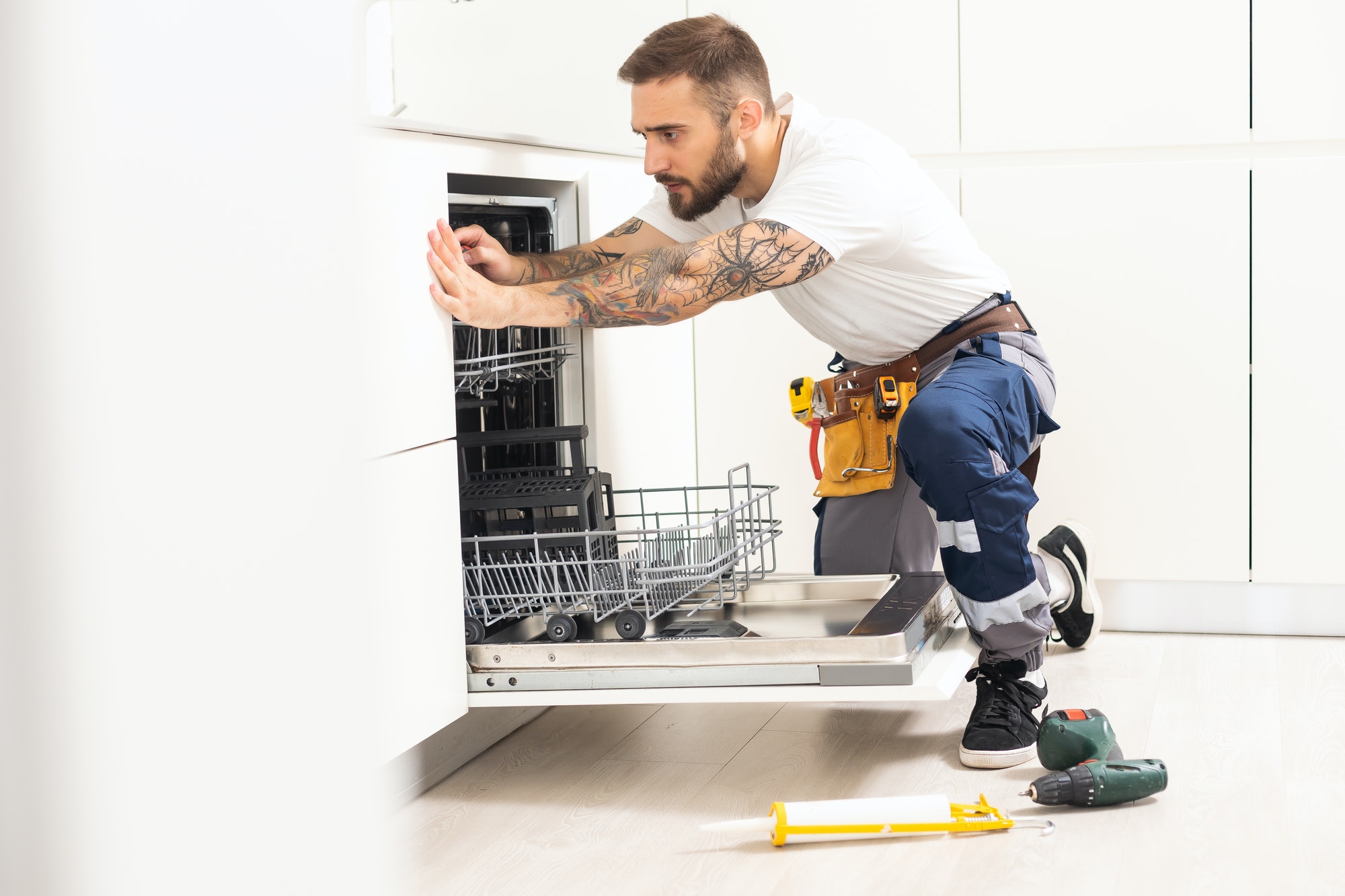
While you can handle basic cleaning on your own, having an expert look at the machine once a year adds an extra layer of protection. A trained technician can check internal parts that are hard to reach, test electrical connections, and inspect the refrigerant levels.
Catching a small mechanical issue early keeps a tiny problem from turning into a total appliance breakdown. It is a small investment that prolongs the life of your machine and saves you from sudden, expensive repair bills down the road.
Quick Reference: Ice Maker Health Checklist
| Maintenance Task | How Often? | Main Benefit |
|---|---|---|
| Bin Wash & Sanitize | Every 3 months | Removes odors and prevents bacteria growth. |
| Water Line Inspection | Every 6 months | Catches hidden leaks before they damage floors. |
| Filter Replacement | Every 6 months | Keeps water pressure strong and ice clear. |
| Thermostat Check | Monthly | Prevents the fill tube from freezing solid. |
Conclusion
In conclusion, maintaining your icemaker through these six preventative maintenance tips can significantly reduce the likelihood of malfunctions and ensure a reliable supply of ice for your needs. Regular cleaning, checking water supply lines, monitoring ice production, maintaining proper temperature, replacing filters, and scheduling professional maintenance are all crucial practices that contribute to the longevity and efficiency of your appliance. By taking proactive steps to care for your icemaker, you not only enhance its performance but also enjoy fresher, cleaner ice for your beverages and meals. Prioritizing maintenance will lead to a more enjoyable experience with your icemaker, allowing you to focus on what matters, enjoying your time with family and friends.
Zuta Appliance Repair: Expert Icemaker Malfunction Repair For Your Berkeley Kitchen
When your machine stops working completely despite your best efforts, you don’t have to figure it out alone. Zuta Appliance Repair provides dependable, honest appliance diagnostics and expert refrigerator repair throughout Berkeley, California.
Our friendly local technicians can troubleshoot complex mechanical issues, fix broken water valves, and clear out stubborn internal ice jams fast. Call us today to book an appointment and get your kitchen back to normal.