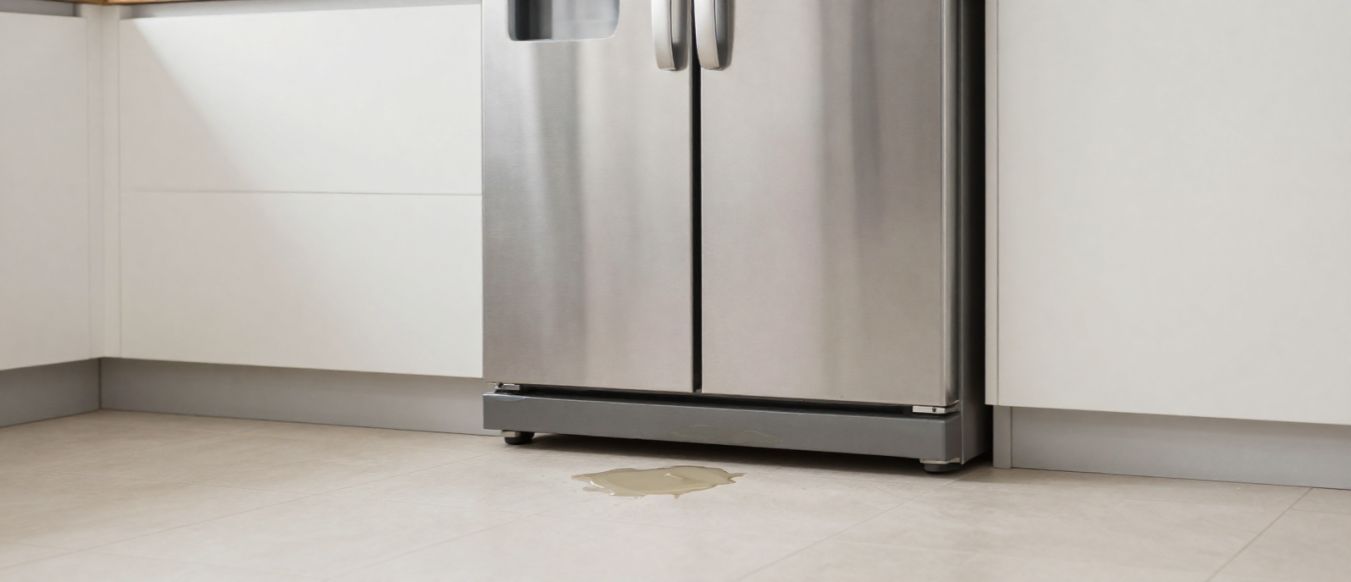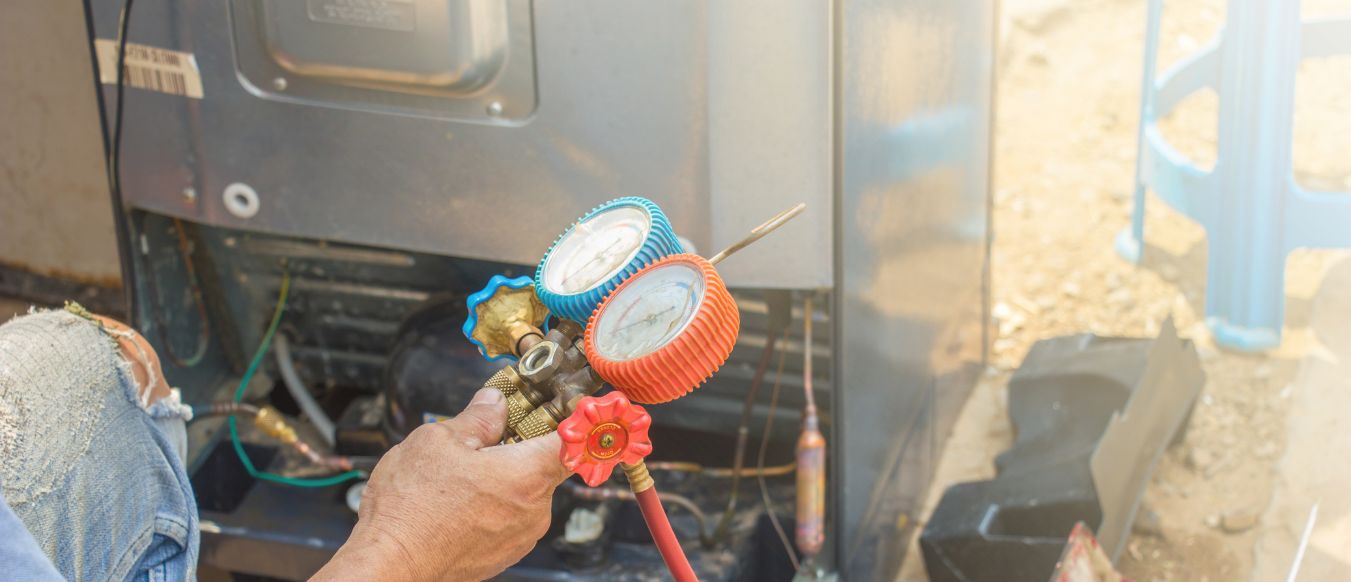
You open the fridge. Something is wrong. The air inside is not cold like the temperature in the room. Milk feels warmer than it should. The ice cream in the freezer has gone soft around the edges. Of course, this always seems to happen right after a big trip to the store, or on a Sunday when nothing is open.
Here’s the thing though. A refrigerator that is not cooling does not always mean it is broken. Sometimes it is something small, like dust on a coil or a door that does not close properly. Other times, a part inside has just stopped working and needs to be replaced. Below are nine reasons this happens a lot, plus a few things worth checking yourself before you call for help.
Quick check first: Your fridge should be around 37°F (3°C) and the freezer close to 0°F (-18°C). Put a thermometer in a glass of water inside the fridge and leave it for a few hours. The built-in dial is not always accurate.
Symptoms and Likely Causes at a Glance
| What you notice | Likely cause |
|---|---|
| Fridge is warm, freezer's fine | Evaporator fan, blocked vents, or a defrost problem |
| Both sections warm, no hum from the motor | Start relay, compressor, or control board |
| Fridge runs constantly but never gets cold | Dirty condenser coils or a worn door seal |
| Ice building up on the back wall of the freezer | Failed defrost system |
| Warm air near the bottom of the fridge | Condenser fan or dirty condenser coils |
1. Dirty Condenser Coils
The condenser coils are at the back of the fridge, or sometimes underneath it. Their job is to release the heat that has been pulled out of the fridge. Over time, dust, pet hair, and kitchen grease build up on them. Once that layer gets thick, the heat has nowhere to go.
When the coils can’t release heat, the compressor runs longer just to keep up, and the fridge stays warmer than it should anyway. Honestly, this is one of the most ignored causes of a refrigerator not cooling properly, mostly because nobody ever looks back there. If it has been a year, or longer, no judgment, since anyone cleaned yours, this is where to start. It is also the kind of thing our technicians check first on nearly every refrigerator repair call, since it is the easiest fix on this whole list.
What to do:
- Unplug the fridge before you touch anything.
- Use a coil brush and a vacuum to clear off the dust.
- Clean the coils every six to twelve months.
- If you have pets that shed, do it more often than that.
2. A Failing Evaporator Fan Motor
The evaporator fan pulls air off the freezer coils and pushes it into both the freezer and the fridge. When this fan stops, the freezer can stay cold for a while. The fridge side, though, slowly gets warmer.
This is actually a common reason a fridge stays warm while the freezer still feels fine. You might hear buzzing or rattling, maybe a light squeak, coming from the back of the freezer. Sometimes there is no sound at all, because the fan has just stopped working.
Simple test: Open the freezer door and press in the door switch with your finger, the same one that turns off the light. If the fan blade does not spin, or it sounds rough when it does, the motor is probably failing.
3. Worn or Dirty Door Gaskets
The door gasket is that rubber strip around the edge of the door. It is what keeps cold air inside. Once it cracks, tears, or gets covered in food grime, warm kitchen air just leaks in all day.
There is a simple test for this. Close the door on a dollar bill so it sticks out a bit, then pull. If it slides out with little resistance, the seal is weak in that spot. Try it in a few places around the door, not just one corner, since gaskets often wear unevenly.
Some signs your gasket might be the problem:
- Small drops of moisture on the outside of the door
- Frost building up near the door edge
- The door swings open on its own instead of staying shut
- A gap you can actually see when the door is closed
If the gasket is just dirty, warm soapy water and a soft cloth can sometimes help. If it is torn or stretched out of shape, though, it needs to be replaced. Cleaning won’t fix that.
4. The Temperature Got Bumped, or the Thermostat Failed
Sounds too simple to be the real answer, right? But it happens more than you’d think. A kid leaning on the dial. A grocery bag pushed against the control panel while someone is putting things away. Someone wiping down the shelves and moving a knob without noticing.
The thermostat itself can also fail, especially in an older fridge. When that happens, it stops telling the compressor to turn on, or it sends the signal at the wrong time. If your dial or display looks correct but the fridge is still warm, it is worth having someone check the thermostat or control board. Not really something you can figure out just by looking at it.
5. The Defrost System Has Stopped Working
Frost-free freezers have a defrost system built in. It uses a heater, a timer, and a sensor to melt off frost a few times a day and keep the coils clear. If any one of those three parts fails, the frost just keeps building up instead of melting away.
Given enough time, that frost turns into a solid sheet of ice over the evaporator coils. That ice blocks the airflow. So even though the freezer might still feel cold, less and less air actually makes it into the fridge compartment. That is often why the fridge side warms up while the freezer seems mostly okay.
Worth knowing: Unplugging the fridge for about 24 hours lets the ice melt on its own, and you might get a few good weeks of cooling back after that. If the ice keeps coming back, a defrost heater, timer, or sensor has probably failed and needs replacing for good.
6. A Bad Condenser Fan Motor
Some fridges, especially ones with the compressor at the bottom, have a second fan near the compressor called the condenser fan. It pulls air across the condenser coils so they can actually release their heat.
When this fan fails, the coils overheat, and the compressor ends up working harder than it should. You might notice the bottom of the fridge feels warmer to the touch than usual, or the compressor seems to run nonstop.
Signs of a condenser fan problem:
- The fridge runs a lot but never gets cold
- The area near the compressor feels hot
- Clicking, grinding, or rattling from the back or bottom
- The fan blades sit still even while the compressor is running
7. A Failing Start Relay or Compressor
The compressor moves refrigerant through the whole system. A small part called the start relay is what gives the compressor the push it needs to start. It is a cheap part, but it fails often, more often than the compressor itself does.
If you hear a repeated clicking sound every few minutes, that is usually the compressor trying and failing to start because the relay is not working. When it is just the relay, the fix tends to be quick and not too expensive. A dead compressor is a bigger problem, and that is when it is worth thinking about the repair cost versus buying a new fridge.
Most refrigerators last between 10 and 15 years with regular use. If yours is much older than that and the compressor has failed, replacing it might make more sense than repairing it. If you are not sure which way to go, this is the kind of decision our team walks East Bay homeowners through on almost every refrigerator repair visit, weighing the age of the unit against what the fix will actually cost.
8. Blocked Air Vents or an Overpacked Fridge
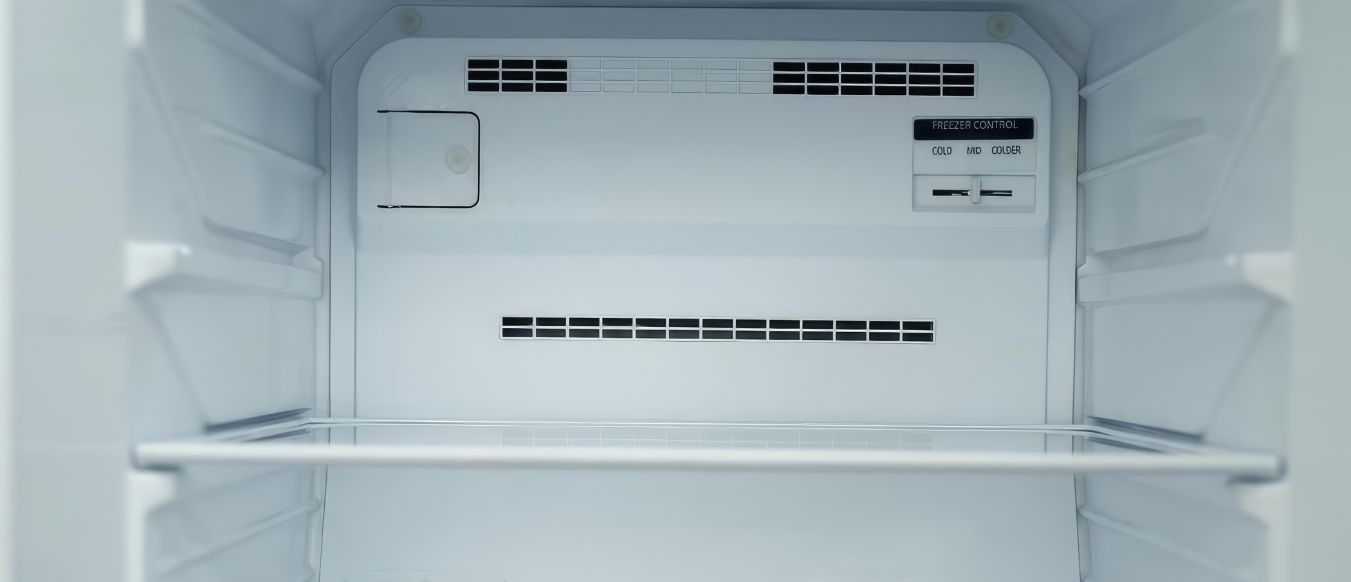
Cold air needs space to move between the freezer and the fridge. There are vents built into the walls that carry it. When groceries get pushed against those vents, the air has nowhere to go.
This tends to happen after a big shopping trip, when boxes and jars get pushed toward the back wall without much thought (we have all done it). The fridge can’t spread the air around properly, so some shelves stay much warmer than others, while the vent area itself might even start to ice up.
Try this: Move food away from the back wall and away from any vents you can see. Leave a little space between items instead of packing shelves edge to edge. Avoid lining the shelves with foil or paper too, since that blocks airflow as well.
A fridge that is too full also loses cold air faster every time the door opens. Keeping it around three quarters full tends to work best.
9. A Refrigerant Leak
Refrigerant is the gas that carries heat out of your fridge. It runs through a sealed loop that should never need topping off. If the level drops, that almost always means there is a leak somewhere in the line.
This one is not common, but it is one of the more serious causes on this list. Warning signs include a fridge that never gets properly cold no matter what you set it to, a compressor running all day without a break, and sometimes an oily residue near the coils or a faint chemical smell.
A refrigerant leak is not something to attempt on your own. It requires a certified professional with the right tools to locate the leak, fix it, and recharge the system properly. With parts, labor, and refrigerant costs, this repair can get expensive fast, and a lot of people end up thinking about replacing the whole fridge instead.
What You Can Check at Home Before Calling Anyone
You don’t need any tools or experience to rule out a few things first. These simple checks take a few minutes and could save you from a service call if the issue turns out to be something easy to fix.
- Make sure the fridge is actually plugged in and the outlet has power.
- Check that the temperature setting is correct.
- Look for any groceries blocking the vents inside the fridge.
- Clean the condenser coils if it has been a while.
- Test the door seal by placing a dollar bill in a few spots.
- Listen carefully to see if the fans and the compressor are running.
- Check the freezer for any unusual ice buildup.
Safety tip: Always unplug the fridge before reaching behind or underneath it. Never try to open or tamper with the sealed refrigerant lines yourself.
When Your Fridge Just Needs Someone Who Knows What They're Doing
A warm fridge is a stressful situation, especially when you have a full load of groceries sitting there going bad. But it does not always mean a big repair bill. A dirty coil, a worn door seal, a blocked vent. These issues can often be fixed in less than an hour once you know what to look for.
If you have gone through the checks above and the fridge still isn’t cooling, that is usually the point where it makes sense to call a professional. Fans, relays, thermostats, and defrost parts are hard to test without the right tools, and guessing wrong can turn a small repair into a much bigger one. While you wait for help, move the items into a cooler with ice, or ask a neighbor to hold your fridge stuff for a day. Keeping up with a simple preventative maintenance routine, like the coil cleanings and vent checks covered above, is usually what keeps this list of problems from showing up in the first place.
Zuta Appliance Repair has served Berkeley for over a decade, fixing refrigerators from every major brand. Call us or request a quote online, and we will figure out what is really wrong, with honest pricing and no runaround.