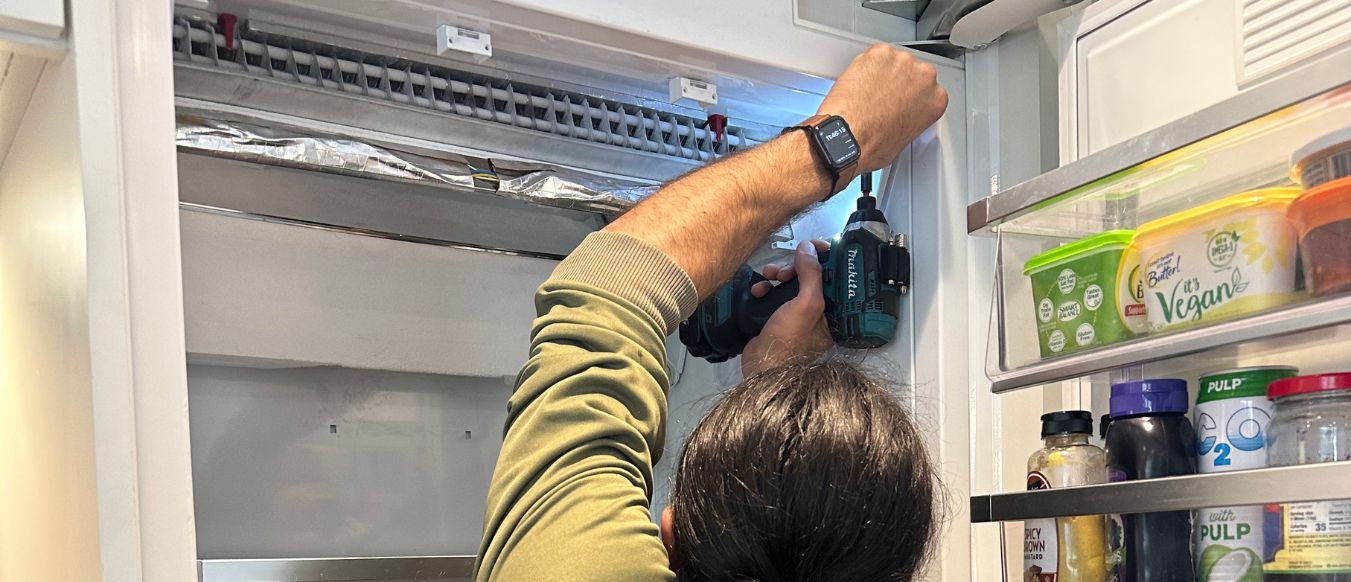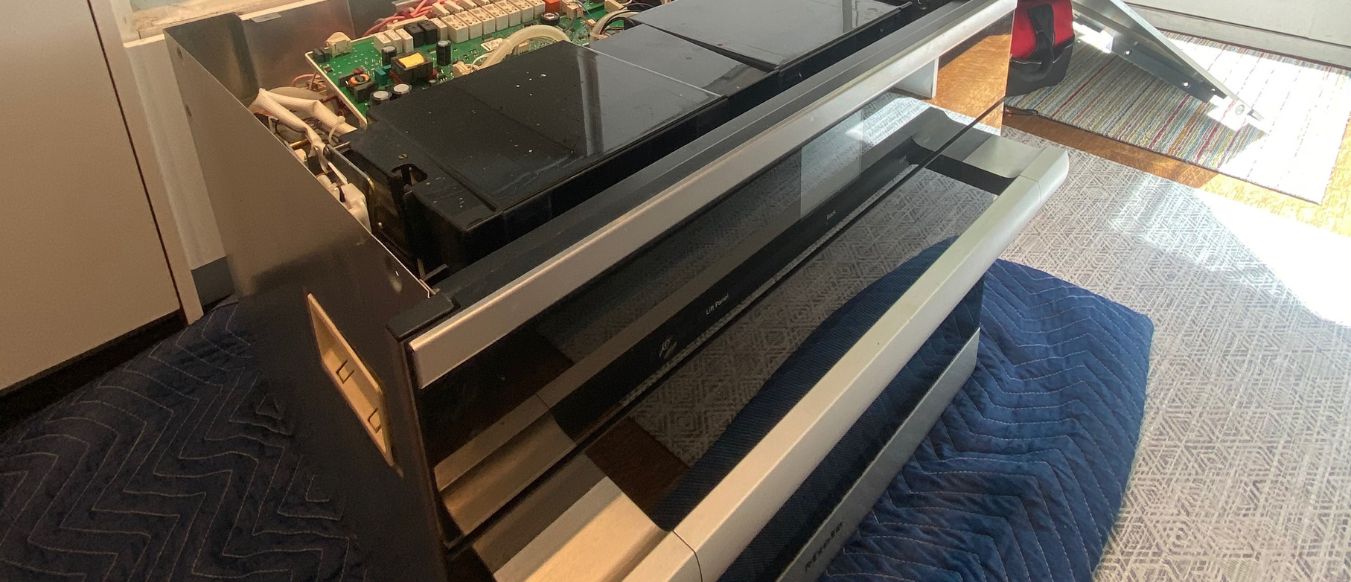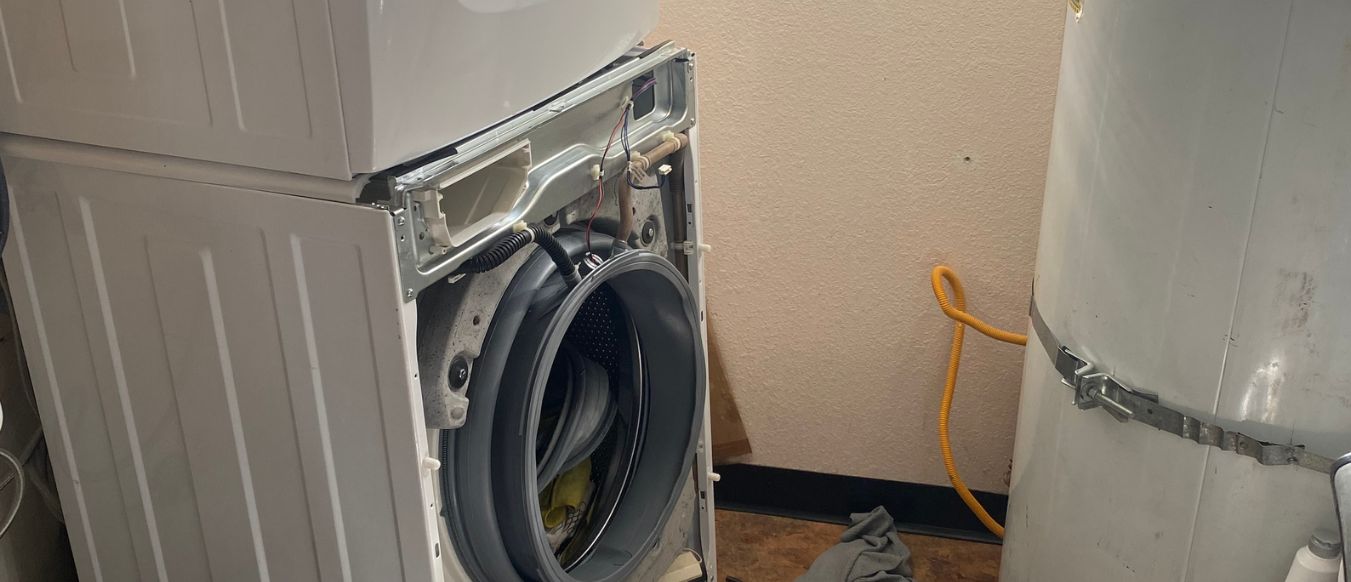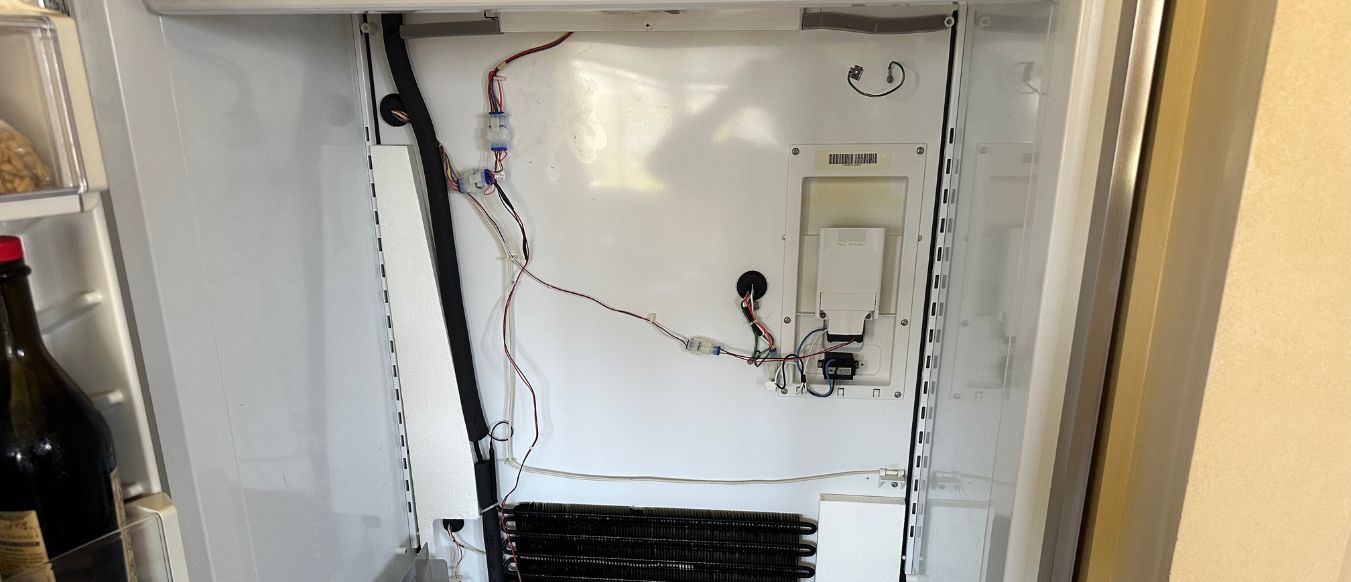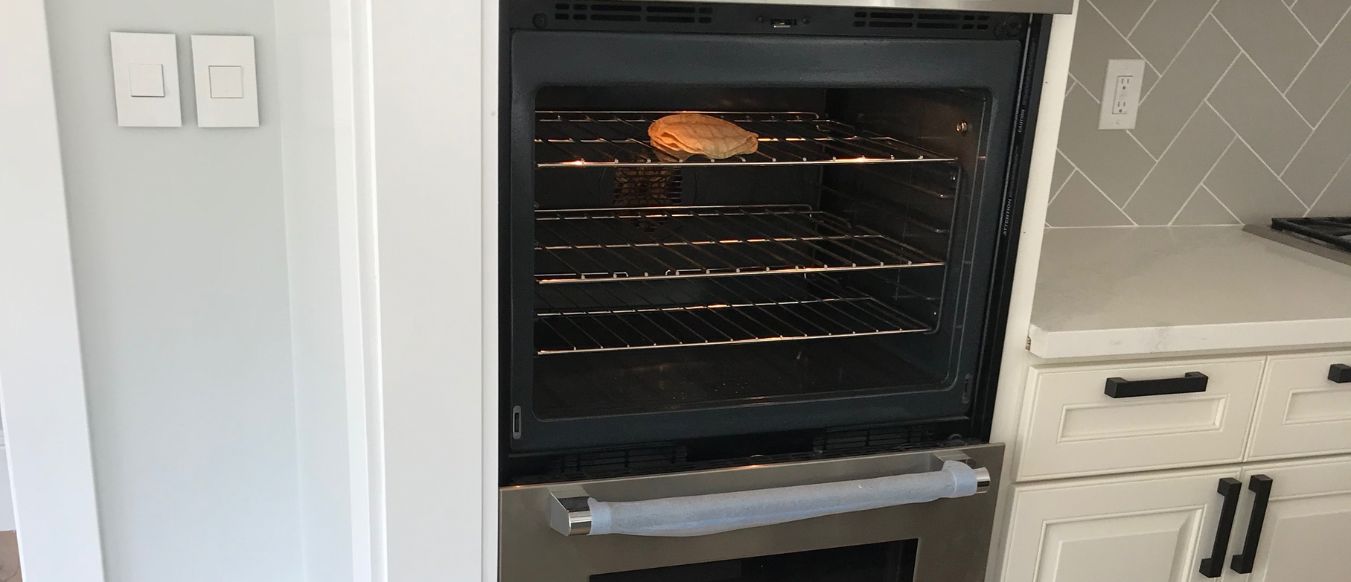
Deciding whether to attempt a home fix or search for stove repair near me comes down to safety and complexity. Jumping into appliance repair without experience can lead to severe hazards like gas leaks, short circuits, or damaged countertops. Knowing when a simple fix works versus when to hire a specialist for stovetop repair protects both your home and your budget.
How Modern Stovetops Work
Modern stovetops combine sensitive control circuitry, high-voltage heating units, gas distribution valves, and safety sensors. Understanding how your appliance operates makes it easier to isolate small surface issues from dangerous internal component failures.
- Gas Stovetops: Natural gas or liquid propane flows through brass valves into burner tubes. Spark igniters send high-voltage electric pulses to light the fuel. Corroded wires or incorrect air-to-gas ratios require professional gas stove repair service to fix weak, yellow flames or ignition failures.
- Electric Smooth-Top and Coil Ranges: Electric stove repair usually involves resistance coils or radiant ribbon elements under ceramic glass. Infinite switches cycle electricity to maintain temperature, while thermal limiters prevent the glass from shattering.
- Induction Cooktops: Electromagnetic copper coils induce electric currents directly inside magnetic cookware. Because induction units rely on delicate electronic inverter boards and cooling fans, breakdowns require a technician skilled in digital circuitry.
Warning Signs That Your Stovetop Needs Attention
Recognizing symptoms early allows you to address minor glitches before searching for an emergency stove repair technician.
1. Unusual Clicking, Buzzing, or Humming Sounds
- Gas Igniter Clicking: Rapid clicking after a burner lights points to moisture, grease buildup, or a faulty ignition switch continuously pulsing the spark module.
- Buzzing Electric Elements: A loud hum from an electric coil or induction top signals loose mounting brackets, failing cooling fans, or a degrading electrical transformer.
2. Inconsistent Heat Output and Burner Failure
- Uneven Hot Spots: Cold spots on an electric coil indicate a broken or shorted internal resistance wire.
- Unresponsive Temperature Controls: If a burner stays on full heat regardless of the dial setting, the bi-metal contact points inside the infinite switch have fused, creating a burn hazard that requires electric stove repair.
3. Failure to Light or Power On
- Gas Burner Disruption: Clicking without ignition usually stems from a cracked spark electrode or clogged burner cap ports.
- Dark Digital Display: An unresponsive control panel points to a blown fuse, a tripped circuit breaker, or a loose power cord connection.
4. Persistent Error Codes
Digital stoves run self-diagnostics and display alphanumeric codes (e.g., “F1” or “E3”) when faults occur. These signal underlying issues with the logic board, temperature sensors, or wiring harnesses that require professional stove troubleshooting.
Safe DIY Stovetop Fixes vs. Professional Repairs
| Problem Area | Safe DIY Fix | Requires Professional Repair |
|---|---|---|
| Gas Burners | Cleaning clogged burner ports with a pin or nylon brush | Replacing leaking gas valves, manifold tubes, or pressure regulators |
| Electric Coils | Unplugging coils to clean dirt and oxidation from sockets | Replacing damaged internal wiring harnesses or burnt infinite switches |
| Glass Cooktop | Scraping burnt food residue off ceramic glass with a razor blade | Replacing cracked ceramic glass tops or burnt radiant heating elements |
| Control System | Resetting household circuit breakers or cycling main power | Diagnosing shorted microchips, blown thermal fuses, or dead touchscreens |
Step-by-Step DIY Troubleshooting for Simple Stovetop Issues
Before searching for gas stove repair near me, try these safe troubleshooting steps for minor disruptions.
“Always disconnect your range from the main power breaker and turn off the gas shutoff valve before attempting any inspection. Never work on an active high-voltage circuit or live gas line.”
1. Cleaning Clogged Gas Burner Ports
Food spills frequently block the small ports surrounding gas burner heads, cutting off fuel to the igniter electrode.
- Step 1: Turn off all stove controls and let the cooktop cool completely.
- Step 2: Remove the cast-iron burner grates and round metal burner caps.
- Step 3: Use a straightened paperclip or needle to clear debris out of each burner slot. Avoid wooden toothpicks, which can snap off inside ports.
- Step 4: Wipe the burner base with a soft cloth, reseat the cap flat on its base, and test the flame.
2. Fixing Loose or Dirty Electric Coil Connections
Corrosion or loose prongs beneath an electric coil can cause burners to flicker or fail.
- Step 1: Disconnect power at your home circuit breaker box.
- Step 2: Lift the cool coil element at a slight angle and pull it straight out of its receptacle block.
- Step 3: Inspect the metal prongs. Clean off black carbon buildup or light corrosion using fine steel wool.
- Step 4: Firmly push the coil back into the terminal block until it sits flat in the drip bowl, then restore power.
High-Risk Stovetop Repairs That Demand a Professional
Attempting complex fixes without training increases the risk of severe shocks, house fires, or destructive gas leaks. Hiring a qualified technician for stovetop repair ensures these high-risk tasks are handled safely.
“Over 50% of stovetop accidents stem from faulty repairs done by inexperienced individuals. Prioritizing safety over quick fixes prevents serious home hazards.”
1. Gas Leak and Supply Line Repairs
Natural gas and propane are highly flammable fuels under constant line pressure.
- Why You Need a Pro: If you smell a rotten-egg odor, hear a subtle hiss behind cabinets, or see yellow, soot-producing flames, do not attempt a home fix. Search for certified gas stove repair near me immediately. Technicians use electronic gas detectors and pressure gauges to repair manifold valves, replace cracked supply lines, and ensure code compliance.
2. High-Voltage Electrical Malfunctions
Electric cooktops operate on 240-volt circuits carrying twice the voltage of standard wall outlets.
- Why You Need a Pro: Melted insulation, blown thermal cutouts, or burnt terminal blocks carry extreme electrical shock risks. Technicians specializing in electric stove repair use insulated tools and digital multimeters to trace schematics and replace shorted components safely.
3. Sealed Glass Top and Radiant Element Replacements
Replacing a cracked glass cooktop or internal radiant burner requires complete appliance disassembly.
- Why You Need a Pro: Ceramic glass cooktops are heavy and fragile. Removal requires unlatching cabinet brackets, disconnecting grounding wires, and aligning heat shields. Professionals offering cooktop repair near me use factory replacement parts and specialized tools to prevent cabinet damage.
Evaluating the 50% Rule: Should You Repair or Replace Your Stovetop?
Deciding whether you want to repair or replace a broken cooktop comes down to two simple parameters.
“Upgrading an aging stovetop to a modern high-efficiency electric or induction model can cut energy consumption by up to 10–15%, offsetting the cost of a replacement over time.”
1. Apply the 50% Cost Threshold
If the estimated cost of parts and labor for a stovetop repair exceeds 50% of the price of a brand-new cooktop, replacement offers better value. For example, if replacing a cracked glass top and element costs $500 on an $800 appliance, buying a new cooktop is the smarter choice.
2. Consider Appliance Lifespan and Age
Gas and electric stovetops last 12 to 15 years on average. If your unit is under 7 years old, investing in replacement parts is generally worth it. If it is over 12 years old and experiencing frequent electrical glitches or control board failures, replacement avoids repeated service calls.
Proactive Maintenance Tips to Prevent Expensive Failures
Prevent sudden breakdowns and emergency service bills with basic routine care:
- Clean Up Spills Immediately: Never leave sugary liquids, grease, or salty marinades on hot ceramic glass or burner heads. Sugary spills pit glass cooktops as they cool, while salt corrodes metal igniter wires.
- Use Proper Cleaning Solutions: Avoid abrasive powders, scouring pads, or ammonia sprays on glass cooktops. Use a specialized cream cleaner and a non-scratch microfiber cloth.
- Match Cookware Size to Burners: Place flat-bottomed pots on burners that match their base diameter. Using small pans on large radiant burners causes excess heat to radiate into the glass top, degrading the thermal switch.
- Keep Gas Igniters Dry: Avoid spraying liquid cleaners directly onto white ceramic igniter pins. Moisture causes igniters to click continuously or fail to spark until fully dry.
Balancing Safety, Cost, and Performance
Your stovetop is the heart of your kitchen, but maintaining it requires a clear line between basic surface care and technical repair. While routine tasks, like clearing clogged burner ports or cleaning dirty coil contacts, are safe and manageable weekend projects, complex issues involving gas lines, high-voltage wiring, and delicate control boards demand professional expertise.
Taking a proactive approach by watching for early warning signs and keeping up with daily maintenance will extend your appliance’s lifespan and keep your cooking efficient. When major breakdowns do happen, weighing the repair costs against the appliance’s age ensures you make the best financial choice for your home. Ultimately, prioritizing safety over a risky DIY fix gives you peace of mind and keeps your kitchen running smoothly for years to come.
Schedule Your Expert Stovetop Repair Today
Skip the diagnostic guesswork and protect your home from gas or electrical hazards. Contact Zuta Appliance Repair at (415) 592-4633 or book your service online at zutaappliance.com to get your cooktop running safely and efficiently!
Frequently Asked Questions
Call a professional immediately if you detect persistent gas odors, see sparks when turning on a burner, experience uneven heating across multiple burners, or see error codes on the display.
Uneven heating stems from a damaged surface coil, a failing infinite switch, loose terminal socket connections, or a faulty thermal regulator sensor beneath the glass.
Signs include tripped house circuit breakers, flickering control panels, unresponsive touch controls, or dark burn marks on internal wiring.
Most common repairs, such as replacing a spark igniter, surface element, or infinite switch, take 1 to 2 hours once an appliance repair near me technician completes diagnostics and has parts on hand.