Deciding whether to repair or replace your washing machine can be a tough decision. It involves considering various factors such as the machine’s age, the cost of repairs, its performance, and the type of issues it faces. This comprehensive guide will help you evaluate when it’s better to repair your washing machine and when it might be time to invest in a new one.
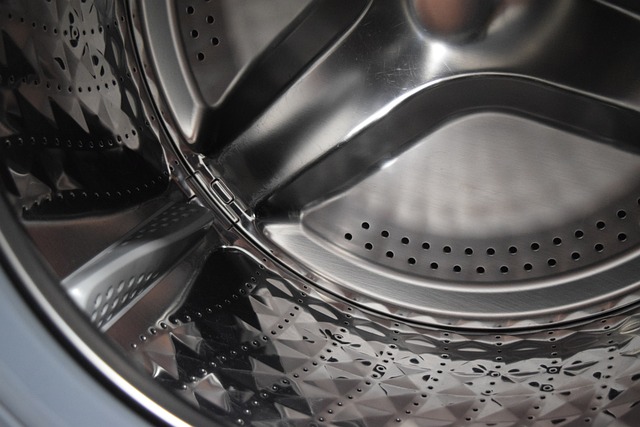
Age of the Washing Machine
Consider the Lifespan: Washing machines generally have an average lifespan of about 10 to 15 years. If your machine is within this range, it might be nearing the end of its useful life. Older machines are more likely to experience frequent breakdowns and may not operate as efficiently as newer models.
Efficiency of New Models: Newer washing machines are designed to be more energy-efficient and water-efficient. They come with advanced features such as multiple wash cycles, better load sensing, and improved water usage. These features can significantly reduce your utility bills over time. If your machine is over a decade old, replacing it could save you money in the long run through reduced energy and water consumption.
Cost of Repair vs. Replacement
The 50% Rule: A common guideline in appliance repair is the 50% rule: if the cost of repairing the machine is more than 50% of the price of a new one, it’s generally better to replace it. For instance, if a new washing machine costs $500 and the repair estimate is $300, replacing the machine is likely the more economical choice.
Hidden Costs: Consider the hidden costs associated with repair. Frequent repairs mean not only the direct cost of parts and labor but also the potential for additional service calls, the inconvenience of downtime, and potential water damage from leaks. These hidden costs can add up, making replacement a more viable option.
Frequency of Repairs
Patterns of Breakdown: If your washing machine has required multiple repairs in the past year, this could indicate a pattern of failure. Frequent breakdowns can be frustrating and inconvenient, disrupting your laundry routine.
Long-Term Costs: Constant repairs can become expensive over time. Each service call and repair can add up, potentially costing more than a new machine over a few years. If you find yourself frequently calling a technician, it might be time to consider a replacement.
Performance and Efficiency
Declining Performance: Over time, washing machines can lose their efficiency. Signs of declining performance include clothes not being cleaned properly, longer wash cycles, excessive noise or vibration, and increased energy and water usage. If your machine is no longer performing as well as it used to, it might be worth replacing it.
Environmental Impact: Newer models are not only more efficient but also more environmentally friendly. They use less water and energy, reducing your household’s carbon footprint. Upgrading to a more efficient machine can be a responsible choice for both your wallet and the environment.
Type of Issue
Minor Repairs: Some issues are relatively minor and can be fixed easily and cost-effectively. These include replacing a clogged hose, fixing a broken door latch, or replacing a worn-out belt. Such repairs are typically worth it, especially if the machine is still relatively new and in good condition otherwise.
Major Repairs: More serious problems, such as a faulty motor, cracked tub, or significant electrical issues, often warrant replacement. These types of repairs are usually expensive and can indicate that the machine has significant underlying issues. In such cases, investing in a new machine is often the best choice.
Detailed Considerations for Each Factor
Age of the Washing Machine
Depreciation and Obsolescence: As washing machines age, their parts become more difficult to find, and repairs become more expensive. Manufacturers may stop producing parts for older models, making it challenging to maintain the machine. Additionally, older machines may not support the latest energy-saving technologies, which can result in higher utility bills.
Technological Advancements: Technological advancements in washing machines have led to improved performance and efficiency. Modern machines offer features such as steam cleaning, Wi-Fi connectivity, and advanced load balancing, which can enhance the washing experience and provide additional convenience.
Cost of Repair vs. Replacement
Repair Cost Breakdown: When evaluating repair costs, consider both parts and labor. Some parts, like motors and control boards, can be very expensive. Additionally, labor costs can vary significantly depending on the technician and location. Always get multiple quotes to ensure you’re getting a fair price.
Replacement Costs: The cost of a new washing machine can vary widely based on brand, features, and capacity. High-end models with advanced features can be quite expensive, while basic models are more affordable. Consider your budget and the features you need when deciding on a replacement.
Frequency of Repairs
Warranty Considerations: If your washing machine is still under warranty, repairs might be covered, reducing your out-of-pocket expenses. However, once the warranty expires, you’ll need to weigh the cost of repairs against the value of a new machine. Extended warranties can sometimes be purchased, but they come at an additional cost.
Historical Repair Data: Keep a record of all repairs and maintenance performed on your washing machine. This data can help you identify patterns and make an informed decision about whether to repair or replace the machine. Frequent repairs are a strong indicator that the machine is nearing the end of its life.
Performance and Efficiency
Energy and Water Usage: Modern washing machines are designed to use significantly less water and energy than older models. Energy Star-rated machines, for example, use about 25% less energy and 33% less water than standard models. These savings can add up over time, making a new machine a wise investment.
Noise and Vibration: Older machines can become noisier and vibrate more as they age. This can be due to worn-out bearings, unbalanced loads, or internal components that are failing. Excessive noise and vibration not only indicate that the machine is struggling but can also be disruptive to your household.
Type of Issue
Common Minor Issues:
- Clogged Hoses: Hoses can become clogged with lint and debris over time. Cleaning or replacing a hose is a simple and inexpensive repair.
- Worn-Out Belts: Belts can wear out and break, preventing the drum from spinning. Replacing a belt is usually a straightforward and affordable fix.
- Door Latch Problems: A broken door latch can prevent the machine from starting. Replacing the latch is a minor repair that can be done quickly.
Common Major Issues:
- Faulty Motor: The motor is one of the most critical components of a washing machine. If it fails, the machine will not operate. Replacing a motor is expensive and often not worth it.
- Cracked Tub: A cracked tub can cause leaks and damage to the machine’s internal components. Repairing or replacing the tub is typically very costly.
- Electrical Problems: Significant electrical issues, such as a failing control board, can be difficult to diagnose and expensive to repair. In many cases, replacing the machine is the more practical solution.
Conclusion
Deciding whether to repair or replace your washing machine involves carefully considering its age, the cost of repairs versus replacement, the frequency of past repairs, its current performance and efficiency, and the type of issues it’s experiencing. By evaluating these factors, you can make an informed decision that best suits your needs and budget.
When in doubt, consulting with a professional technician can provide valuable insights into the condition of your machine and help you determine the best course of action. Regular maintenance and timely repairs can extend the life of your washing machine, but there comes a point when replacement is the more economical and practical choice. Prioritizing efficiency and performance will ensure that you have a reliable washing machine that meets your needs for years to come.